In this article
Dental treatment under general anaesthesia is often associated with children, but it can also be an option for adults. For adults who can’t be treated in the chair because of severe dental fear, a strong gag reflex or the need for treatment on many teeth, treatment can be done while the patient is asleep, with an anaesthetist present. The decision is made jointly by the dentist and the anaesthetist.
- Under general anaesthesia the patient is fully asleep; breathing and circulation are monitored continuously by the anaesthetist.
- In most cases, sedation, a lighter option, is considered first.
- Before treatment there is a pre-anaesthesia assessment and you are told how long to fast.
- You come to treatment with a companion and don’t drive that day.
The difference between sedation and general anesthesia
| Sedation | General anesthesia | |
|---|---|---|
| Consciousness | Drowsy but can be woken | Fully asleep |
| Breathing | The patient breathes on their own | Breathing support is needed |
| When is it preferred? | Mild to moderate anxiety, long procedures | Severe anxiety, extensive treatment, special circumstances |
| Recovery | Usually 1–2 hours | Longer observation |
| Given by | Anesthesiologist | Anesthesiologist |
Who gives general anaesthesia and sedation?
In dental treatment, sedation and general anaesthesia are given by an anaesthetist. The dentist doesn’t manage the sedation; they focus only on the dental treatment.
The process is carried out by two specialists working together. The anaesthetist first reviews the patient’s medical history, then starts the anaesthesia and monitors pulse, blood pressure, breathing and oxygen level throughout. Meanwhile the dentist, or the periodontist for surgical procedures, carries out the planned extractions, implants or fillings.
Anesthesiologist
Reviews the medical history, gives the anaesthesia and monitors vital signs.
Dentist
Carries out the planned dental treatment while the patient is asleep.
Who is it considered for?
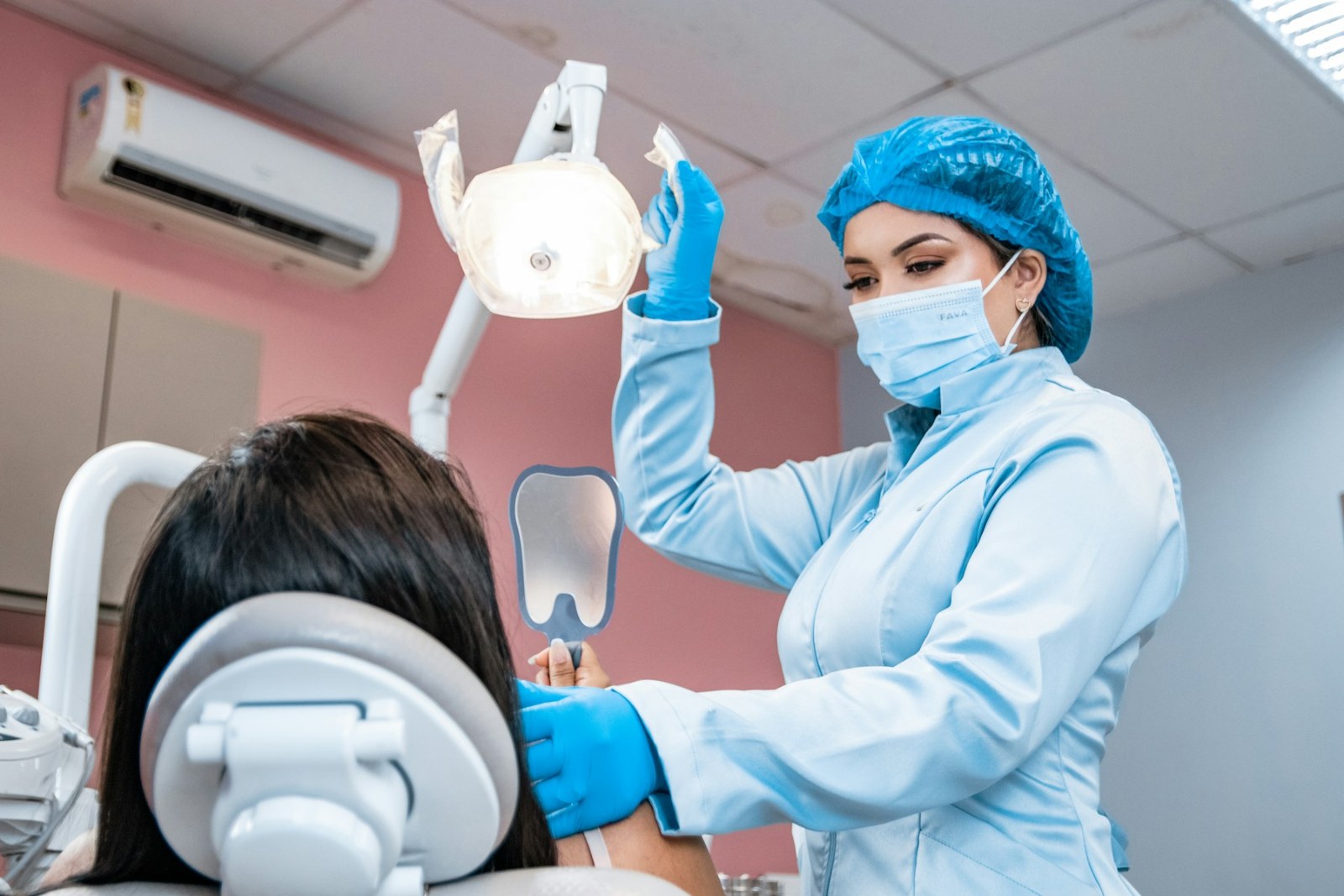
Severe dental fear
People who can’t be treated in the chair because of anxiety and have put off treatment for years.
Strong gag reflex
People whose gag reflex is too strong for them to tolerate procedures in the mouth.
Extensive treatment needs
People who need fillings, root canals, extractions or implants on many teeth.
Special needs
People with a condition that makes it hard to cooperate with treatment.
Not every adult is suitable for general anaesthesia. For people with heart, lung or other health problems, the anaesthetist’s assessment is decisive.
Can people with a strong gag reflex be treated while asleep?
Yes. For people whose gag reflex is strong enough to stop treatment, sedation or general anaesthesia can be chosen. This makes treatment more comfortable for both the patient and the dentist.
Nausea triggered by a mirror, cotton or instruments in the mouth, combined with dental fear, can make treatment almost impossible. Under sedation or general anaesthesia these reflexes are temporarily suppressed; the dentist can carry out fillings, root canal treatment or extractions without sudden movements or gagging.
Gag reflex
A natural protective mechanism against foreign objects entering the mouth, showing as involuntary contraction and a feeling of nausea.
Step by step
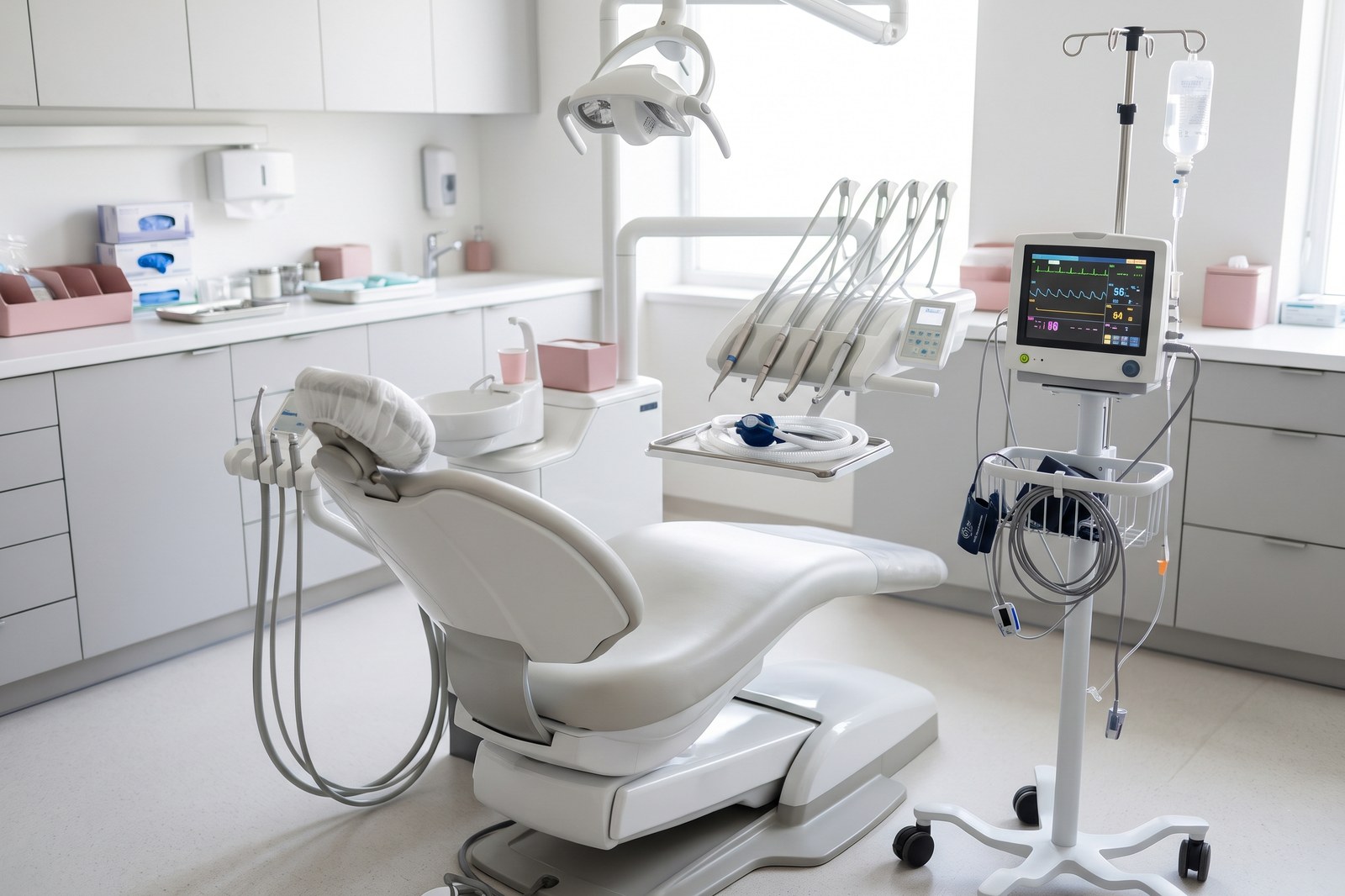
- 1Dental examination and planbefore treatment
X-rays show what treatment each tooth needs; the procedures are planned so they can be done in a single session.
- 2Anesthesia pre-assessmentbefore treatment
The anaesthetist assesses your health and asks for tests if needed. Always share the medicines you take.
- 3Treatment dayat the clinic
Once you are asleep, the planned treatment is done; the anaesthetist monitors you throughout.
- 4Waking up and observationsame day
When you are fully awake and in good condition, you are discharged with your companion.
- 5Checkabout 1 week later
The treatments done are checked.
Which tests are needed before treatment under anaesthesia?
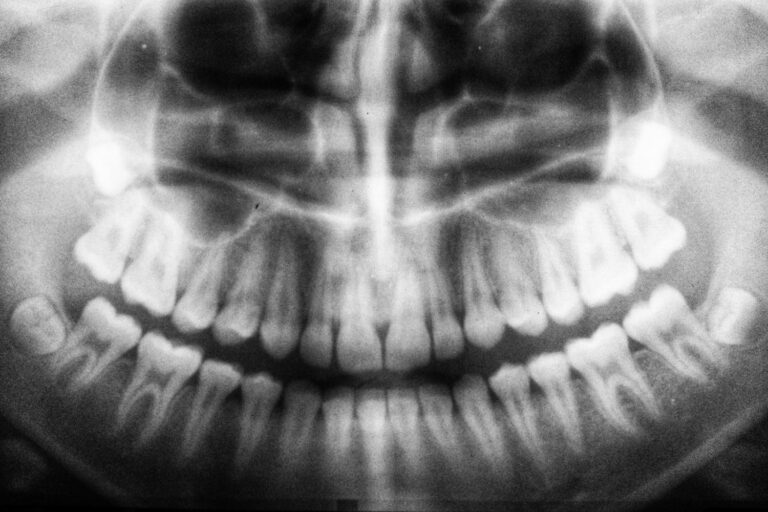
Blood tests and, if needed, an ECG are requested to assess suitability for anaesthesia. For the teeth, X-rays and, if needed, a 3D CT scan are taken in the clinic.
Blood tests usually cover a blood count, liver and kidney function and clotting values; the anaesthetist decides which are needed. On the dental side, a panoramic X-ray usually gives enough information; if implants or surgery are planned, detailed measurements are taken with a CT scan.
- 1ImagingStage 1
The teeth and jawbone are assessed with a panoramic X-ray or, if needed, a CT scan.
- 2TestsStage 2
The blood tests the anaesthetist asks for and, if needed, an ECG are done.
- 3Anaesthesia assessmentStage 3
The results are reviewed and suitability for treatment under anaesthesia is confirmed.
Before and after treatment day
- Follow the fasting time the anaesthetist gives you exactly
- Tell us about your medication, allergies and chronic conditions
- Arrange a companion to take you home
- Wear comfortable clothes
- Feeling sleepy for a while is normal
- Start with water, then soft foods
- Don’t drive or make important decisions that day
- Rest for the rest of the day
If something unexpected happens, such as fever, vomiting that won’t stop, bleeding that won’t stop or shortness of breath, call the clinic straight away.
Does private health insurance cover dental treatment under general anaesthesia?
It depends on the cover in your policy. Our clinic has an agreement with Allianz.
Policies usually offer certain limits for dental procedures; the cost of anaesthesia and the dental treatment may be treated as separate items. So asking your insurer before treatment whether your policy has dental cover, and what the limits and exclusions are, makes things clearer.
Before treatment, confirm whether the cost of anaesthesia and the planned dental procedures are each covered by your policy.
Are you putting off treatment because of fear?
Let’s start by talking. Let us look together at the examination at the option that suits you, including sedation and general anaesthesia.
You may also want to read: What does oral and maxillofacial surgery cover?.

Gives sedation and general anaesthesia at our clinic; the dental treatment is carried out by the relevant specialist dentist depending on the procedure.
Frequently asked questions
Is general anesthesia safe?
With a proper pre-assessment and monitoring by an anaesthetist, it is a widely used method. As with any anaesthesia, there are risks; these are discussed in detail at the pre-assessment.
Which treatments can be done under general anaesthesia?
Many treatments, such as fillings, root canal treatment, extractions, impacted tooth removal and implants, can be done under general anesthesia.
Can I go home the same day?
Yes. When you are fully awake and in good condition, you go home the same day with your companion.
Can sedation be tried first?
Yes. For mild to moderate anxiety, sedation is often enough; this option is considered first.
Can I go back to work the next day?
Most people return to daily life the next day. Your dentist will advise you depending on the scope of the treatment done.
Can breastfeeding mothers have sedation or general anaesthesia?
Yes. In current practice, breastfeeding can usually resume soon after the mother has woken up and recovered; still, the anaesthetist decides based on the medicines used.
Can people with high blood pressure or heart disease be treated under anaesthesia?
What matters is whether the condition is under control. If needed, the opinion of the relevant doctor is sought, and the decision is made after the anaesthetist’s assessment.
When can I eat after treatment?
You will be asked not to eat or drink until your swallowing reflex is fully back to normal, usually a few hours. Then you start with lukewarm, soft foods.
This article is for general information and does not replace an examination. Whether general anaesthesia suits you is decided after an examination and a pre-anaesthesia assessment.