
Our treatments · Pediatric dentistry
Pediatric Dentistry in Aydın (Pedodontics)
Examination, preventive care and treatment of children’s baby and permanent teeth, from infancy to adolescence.
- First examinationWhen the first tooth appears or around age 1
- Check-upsUsually every 6 months
- If neededSedation or general anesthesia

- Pediatric dentiston our team
- Anesthesiologistfor sedation and general anesthesia
- Open on Saturdays10:00–18:00
- Free parkingEfeler, Şair Ömer Boulevard
What’s on this page?
Pediatric dentistry in brief
Pedodontics is the specialty that deals with children’s oral and dental health. The aim is not only to treat decay; preventing decay before it starts and helping the child build a good relationship with the dentist are also part of the job.
Baby teeth should not be neglected just because “they will be replaced anyway”. They are needed for chewing and speech and to hold space for the permanent teeth coming in underneath; when they are lost early, the alignment of the permanent teeth can be affected.
What is done in pediatric dentistry?
Treatments are planned according to the child’s age and the condition of the teeth:
Examination and check-ups
Assessing the teeth, jaws and oral habits.
Fluoride application
A preventive treatment that strengthens enamel and lowers the risk of decay.
Details →Fissure sealants
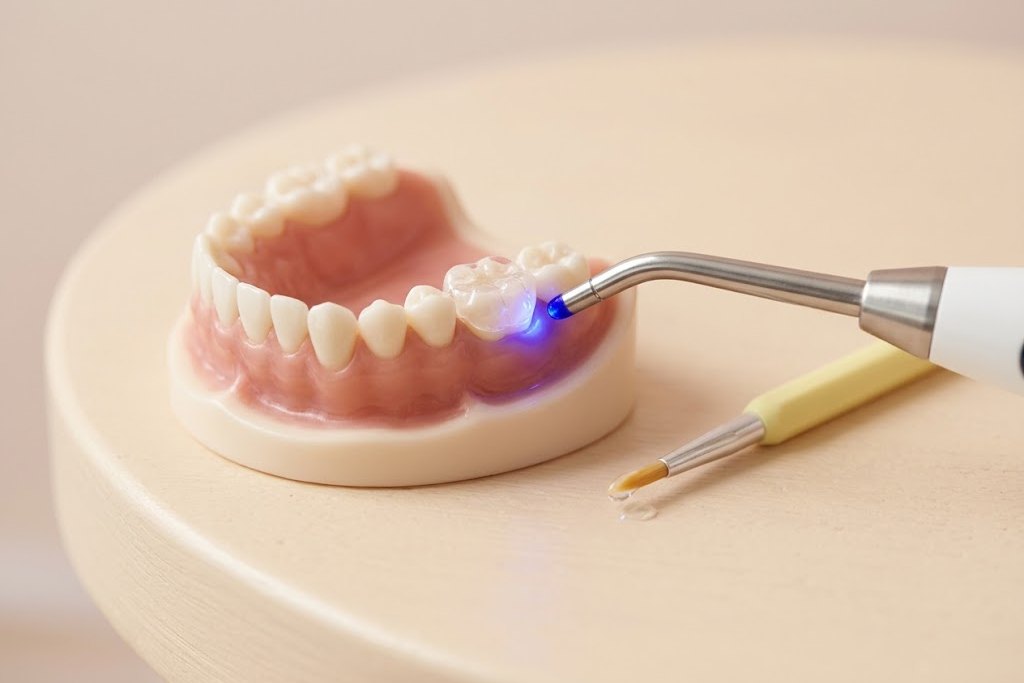
A thin protective layer in the grooves of the molars against decay.
Baby tooth fillings and root canal treatment
Treating decayed baby teeth, with root canal treatment of the baby tooth if needed.
Space maintainer
An appliance that keeps the space of a baby tooth lost early.
Details →Treatment under general anesthesia
For children who need many treatments or cannot cooperate.
Details →What happens at which age?
The ages below are a general guide; every child develops differently.
6 months – 1 yearThe first baby teeth appearFirst examination; start brushing
1 – 3 yearsMost baby teeth eruptWatch out for bottle decay; check-ups every 6 months
3 – 6 yearsAll 20 baby teeth are inFluoride application; monitoring habits such as thumb-sucking
6 – 7 yearsThe first permanent molars appearFissure sealants; early orthodontic assessment
7 – 12 yearsBaby teeth are replacedMonitoring tooth alignment and jaw growth
12 years and olderPermanent teeth are completeRegular check-ups; orthodontics if needed
How does the first dental visit go?
- Getting to know each otherfirst minutes
The child is given time to get to know the room and the instruments; nothing is rushed.
- Examinationshort
The teeth, gums and bite are checked; X-rays are requested if needed.
- Preventive careif suitable
If the child is ready, a simple treatment such as fluoride can be done.
- Information for the familyend
Brushing, diet and the check-up interval are discussed with the family.
Who will your child meet?
Working with children takes patience and experience. If needed, sedation and general anesthesia are planned together with our anesthesiologist.
 MC Multi Clinic team · Efeler, Aydın

Pediatric dentist
Examination, preventive care and treatment for children.

Anesthesiologist
Sedation and general anesthesia when needed.
Inside the clinic
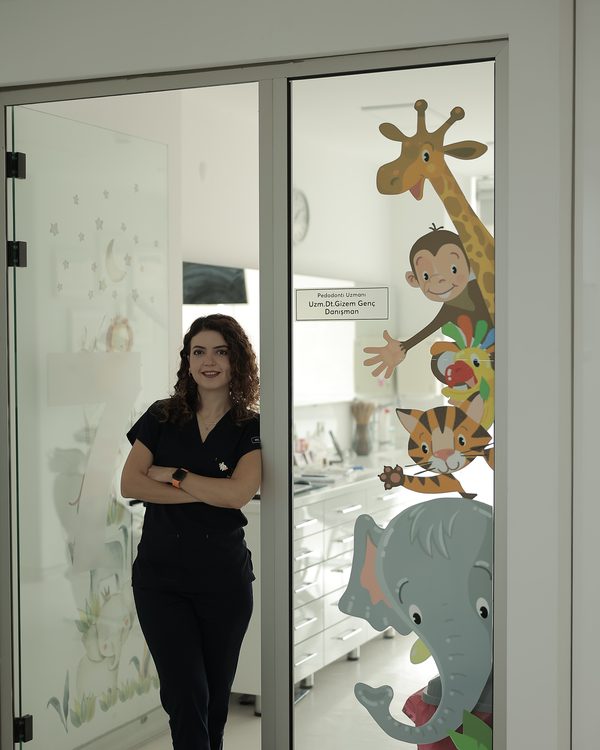

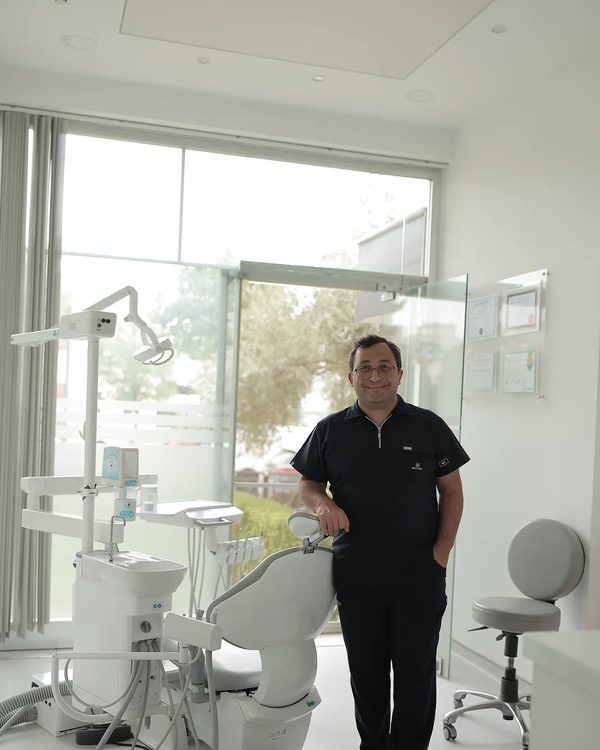

When are sedation or general anesthesia needed?
Most children complete their treatment under normal conditions. In some cases, however, sedation or general anesthesia is a safer and more comfortable option.
Situations where it is usually considered
- Many teeth needing treatment
- Very young age
- Unable to cooperate because of severe anxiety
- Children with special needs
Things to discuss first
- The child’s general health and medication
- Fasting time
- The day and time of treatment at the clinic
- Follow-up after the procedure
Let’s plan your child’s first examination together
- Weekdays 10:00–19:00 · Saturday 10:00–18:00
- Şair Ömer Boulevard No:1, Efeler / Aydın
What affects the cost of children’s dental treatment?
It would not be right to give an exact figure without an examination. After the examination you are given detailed information. The main factors are:
Number of teeth needing treatmentHow many teeth need fillings, root canal treatment or extraction
Preventive careFluoride and fissure sealants
Type of treatmentFillings, baby tooth root canal treatment or crowns
Sedation or general anesthesiaWhether it is needed
X-raysThe need for imaging
Space maintainerThe need for an appliance after early tooth loss
How should you care for your child’s teeth at home?
0 – 3 years
- Start brushing with a soft brush as soon as the first tooth appears
- A rice-grain-sized smear of fluoride toothpaste
- Avoid putting your child to sleep with a bottle
3 – 6 years
- A pea-sized amount of fluoride toothpaste
- Finish the brushing yourself
- Don’t spread sugary snacks between meals
6 years and older
- Brushing for two minutes twice a day
- Getting used to dental floss
- Check-ups every 6 months
MC Multi Clinic, Efeler

Getting here and facilities
- AddressGirne Mah., Şair Ömer Boulevard No:1, Efeler / Aydın
- Opening hoursWeekdays 10:00–19:00, Saturday 10:00–18:00
- ParkingFree parking
- AccessWheelchair-accessible entrance
- PaymentCredit card and contactless payment
Saturday appointments can also be arranged to fit around school hours.
Common questions about pediatric dentistry
When should I first take my child to the dentist?
A first examination is recommended when the first tooth appears or around age 1 at the latest. An early visit helps spot problems early and lets the child get used to the dentist.
Should baby teeth be treated if they will be replaced?
Yes. Baby teeth are needed for chewing, speech and holding space for the teeth coming in underneath. Untreated decay can lead to pain, abscesses and problems in the permanent teeth.
Is fluoride application harmful?
Fluoride applied by the dentist in the right amount is safe and lowers the risk of decay.
My child is very scared. What can we do?
The aim of the first visit is to get acquainted; the child is not pushed into treatment. Not describing the dentist as something scary at home also helps. If needed, the option of sedation is discussed.
Is general anesthesia safe for my child?
General anesthesia is given by an anesthesiologist after the necessary tests. When it is needed and its risks are discussed in detail with your family at the examination.
Does thumb-sucking harm the teeth?
If it continues for a long time it can affect the alignment of the front teeth and jaw growth. Stopping around age 4 is usually recommended.
What is a fissure sealant?
A thin protective layer applied to the deep grooves on the chewing surface of the molars. It protects these areas, where decay most often starts.
How often should we come for check-ups?
A check-up every 6 months is recommended for most children. If the risk of decay is high, the interval can be shortened.
How can I make an appointment?
To make an appointment you can call +90 256 212 46 46, message our WhatsApp line or fill in the appointment form on the website. The clinic is open weekdays 10:00–19:00 and Saturday 10:00–18:00.
Treating dentistGizem Genç Danışman, DDSPediatric dentist · MC Multi ClinicLast updated: October 2026The information on this page is for general guidance and does not replace an examination.
You may also be interested in


MC Multi Clinic
Ein Team von Zahnärzten verschiedener Fachrichtungen, das in Efeler, Aydın, zusammenarbeitet.
Behandlungen
Unsere Zahnärzte
© 2026 Multi Clinic. Alle Rechte vorbehalten.
Web, SEO und GEO Serkan Yıldız
© Copyright 2026 Multi Clinic. Alle Rechte vorbehalten.
Software, Design und SEO Serkan Yıldız