
Aydın Sinus Lift
Our treatments · Sinus lift
Sinus Lift in Aydın
When there is not enough bone for an implant in the back of the upper jaw, the sinus floor is gently lifted and bone graft is placed underneath.
- AreaUpper back teeth
- During the procedureLocal anesthesia
- First stepExamination and CT scan
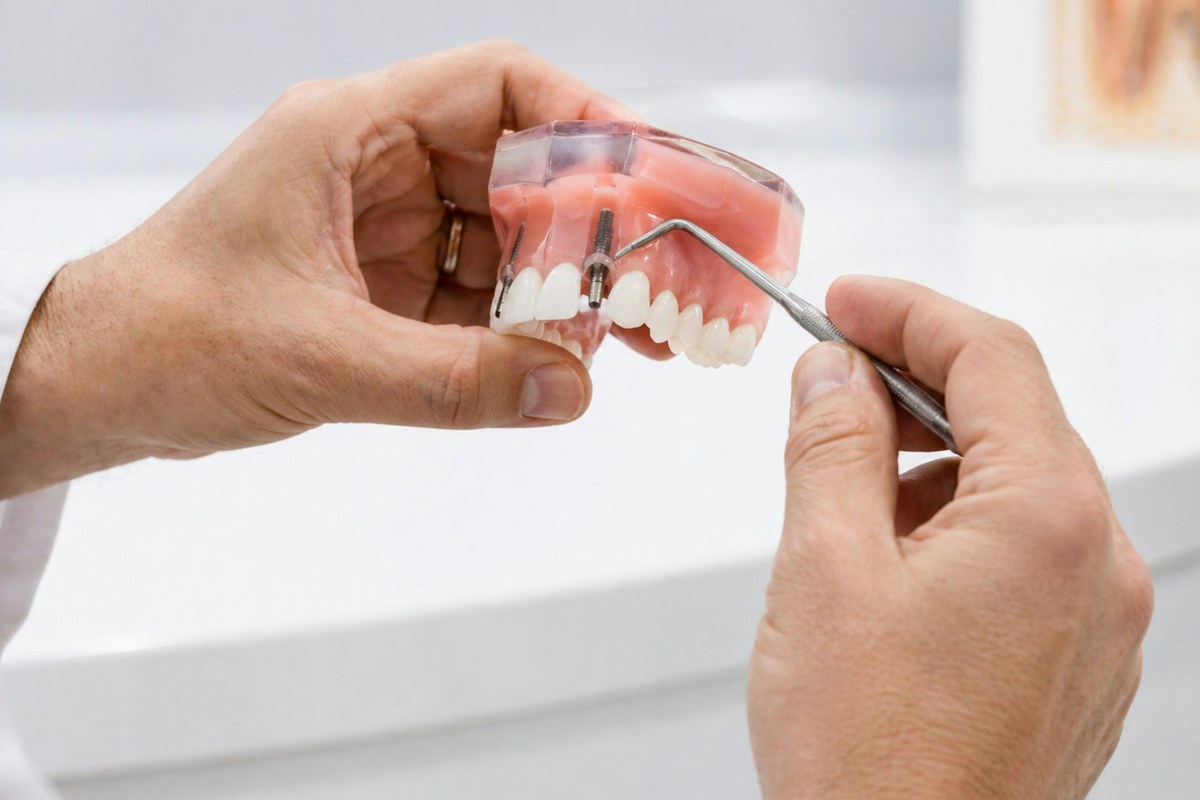
- Periodontistfor implant surgery
- CT scan (CBCT)at the clinic
- Open on Saturdays10:00–18:00
- Free parkingEfeler, Şair Ömer Boulevard
What’s on this page?
Sinus lift in brief
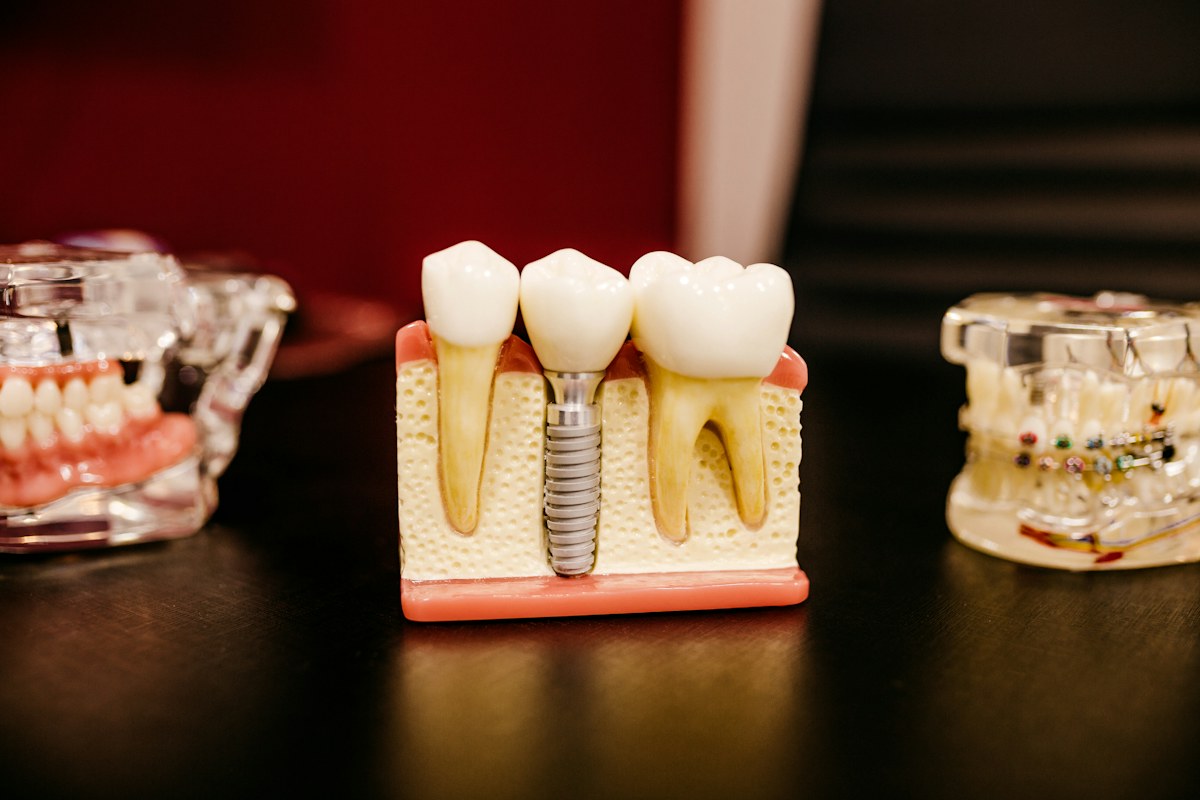
Just above the upper molars, on either side of the nose, there are air spaces (sinuses). After tooth loss in this area the bone thins and the sinus can expand downwards, leaving too little height for an implant.
In a sinus lift, the sinus membrane is gently pushed upwards and bone graft is placed in the space underneath. This creates enough bone for an implant. At our clinic this procedure is performed by our periodontist, Dr. Ömer Kazım Toprak.
Closed and open sinus lift
Closed (indirect)
- •When? When a small amount of bone is needed
- •Implant: Mostly in the same session
- •Access: Through the implant site
Open (lateral)
- •When? When more bone is needed
- •Implant: In the same session or after healing
- •Access: A small window in the side wall
Which method is suitable depends on the bone height measured on the CT scan.
Sinus lift step by step
Examination and CT scanfirst appointment
Planat the examination
Procedureon the day
Healingusually a few months
Implant and prosthesisafter healing
- Examination and CT scanfirst appointment
The sinus and bone height are assessed with a CT scan (CBCT).
- Planat the examination
The closed or open method and the timing of the implant are decided.
- Procedureon the day
Under local anesthesia the sinus membrane is lifted and bone graft is placed.
- Healingusually a few months
The graft is given time to fuse with the bone.
- Implant and prosthesisafter healing
The implant is placed, and then a tooth is made on it.
Who is on your treatment team?
Sinus lifts and implant surgery are performed by our periodontist.

Periodontist
Examination, CT assessment and the surgical procedure.

Anesthesiologist
Anesthesia and monitoring for patients who would like sedation.
Inside the clinic


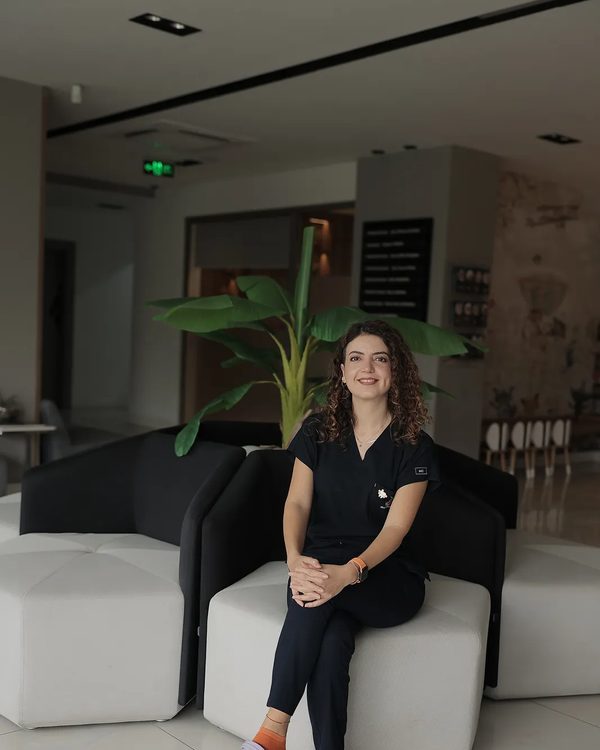
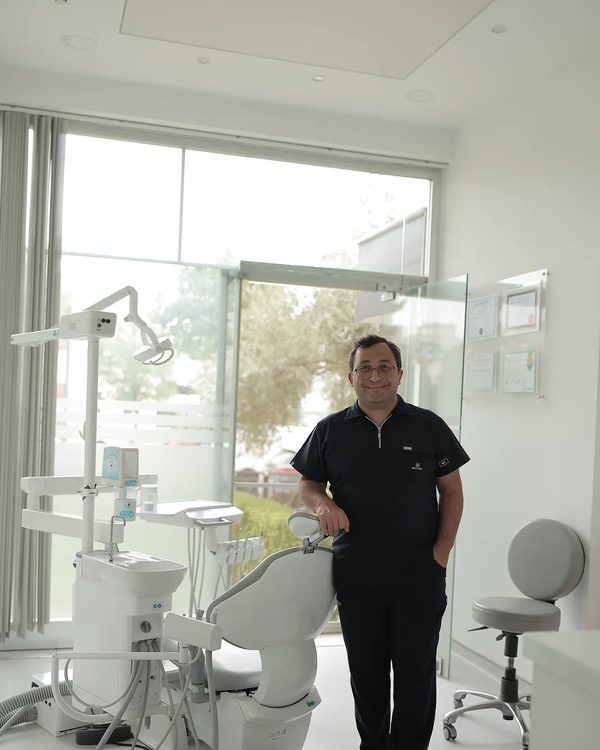
Let’s assess your implant options in the upper jaw together with a CT scan
- Weekdays 10:00–19:00 · Saturday 10:00–18:00
- Şair Ömer Boulevard No:1, Efeler / Aydın
What to watch out for after the procedure
First 2 weeks
- Do not blow your nose hard
- Keep your mouth open when you sneeze
- Do not drink through a straw or smoke
Eating
- Eat lukewarm, soft foods
- Avoid chewing on the treated side
Check
- Come for your stitch and healing check-up
- Call the clinic if you have a nosebleed, increasing pain or a fever
MC Multi Clinic, Efeler

Getting here and facilities
- AddressGirne Mah., Şair Ömer Boulevard No:1, Efeler / Aydın
- Opening hoursWeekdays 10:00–19:00, Saturday 10:00–18:00
- ParkingFree parking
- AccessWheelchair-accessible entrance
- PaymentCredit card and contactless payment
CT scans (CBCT) are taken at the clinic.
Common questions about sinus lifts
Is a sinus lift painful?
The procedure is done under local anesthesia. There may be swelling and mild pain in the following days.
When is the implant placed after a sinus lift?
With the closed method the implant is mostly placed in the same session. With the open method it can be placed in the same session or after a few months of healing.
Does a sinus lift affect the nose?
There may be a slight nosebleed in the first days. Because the sinus membrane is protected during the procedure, breathing is not affected.
Does everyone need a sinus lift?
No. It is only needed when the bone height in the upper back area is insufficient.
How can I make an appointment?
To make an appointment you can call +90 256 212 46 46, message our WhatsApp line or fill in the appointment form on the website. The clinic is open weekdays 10:00–19:00 and Saturday 10:00–18:00.
Treating dentistDr. Ömer Kazım ToprakPeriodontist · MC Multi ClinicLast updated: October 2026The information on this page is for general guidance and does not replace an examination.
You may also be interested in


MC Multi Clinic
Aydın Efeler’de farklı uzmanlık alanlarından diş hekimlerinin birlikte çalıştığı bir ekip.
Tedaviler
Doktorlar
© 2026 Multi Clinic. Tüm Hakları Saklıdır.
Web, SEO ve GEO Serkan Yıldız
© Copyright 2026 Multi Clinic. Tüm Hakları Saklıdır.
Yazılım – Tasarım ve SEO Serkan Yıldız