In this article
The recommended time to take your child to the dentist for the first time is when the first baby tooth comes through, or by around age 1 at the latest. A dentist who specialises in treating children is called a paediatric dentist (pedodontist); protecting baby and permanent teeth, treating decay and helping the child get used to the dentist is their job.
The aim of an early visit is not treatment but to see the risk of decay and guide the family on brushing and diet. In this article we answer the questions parents in Aydın most often ask when looking for a dentist for their child.
- A paediatric dentist completes specialist training in children’s dentistry after dental school.
- The first check-up is recommended when the first tooth appears or around age 1.
- Fluoride, fissure sealants and space maintainers are preventive treatments against decay and tooth loss.
- A permanent tooth knocked out in a fall should be taken to the dentist straight away in milk, without holding it by the root.
What does pedodontics mean and who is a paediatric dentist?
Paediatric dentist (pedodontist)
A dentist who has completed specialist training in children’s dentistry (pedodontics) after dental school. They look after children’s oral and dental health from infancy to the teenage years.
Treating children needs patience and communication suited to the child’s age, as well as technical knowledge. General dentists also see children; a paediatric dentist is especially experienced with very young or anxious children and children who need treatment on many teeth.
When should you start brushing a baby’s teeth?
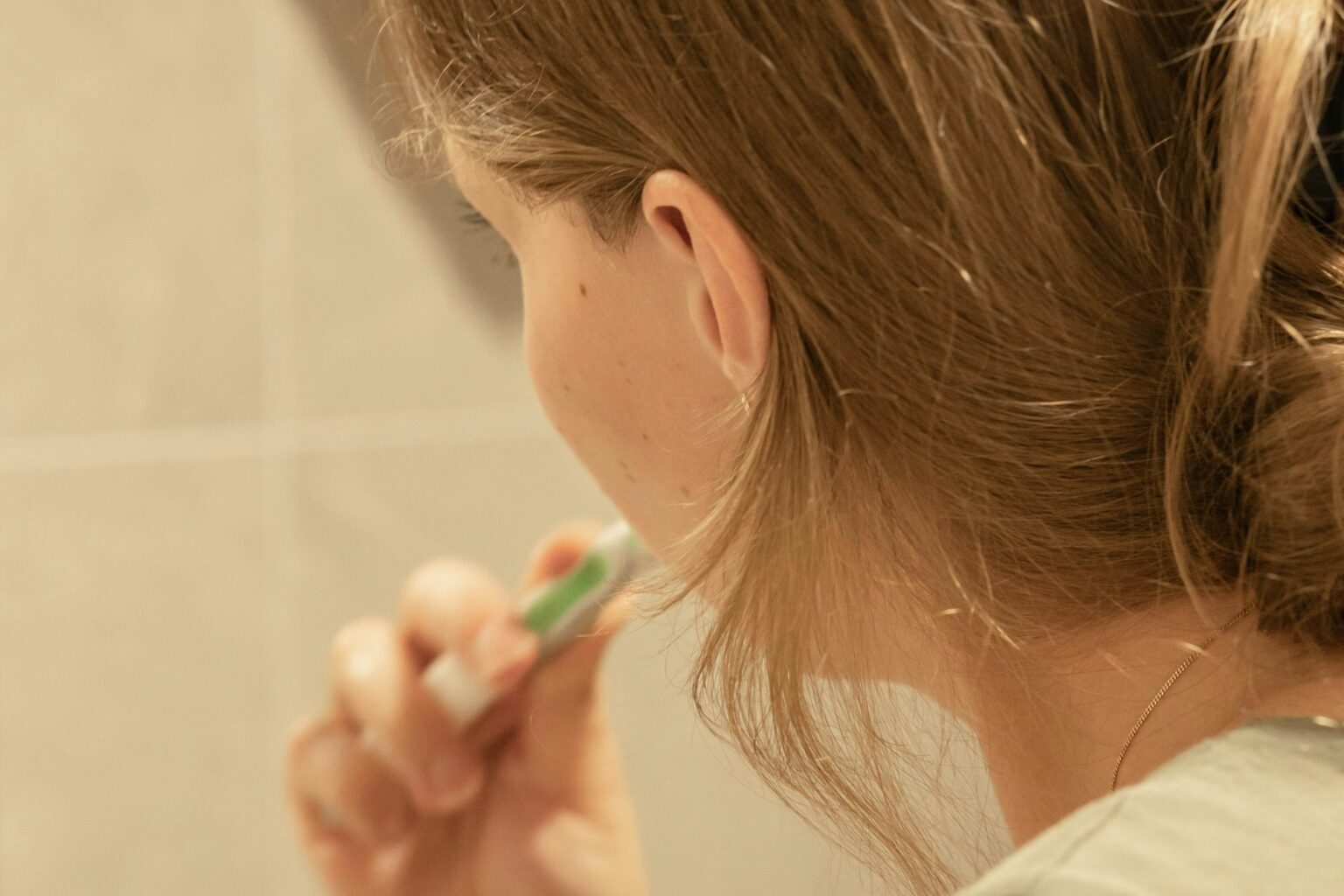
Tooth cleaning should start as soon as the first baby tooth appears, which for most babies is between 6 and 10 months. Milk and food left on the teeth increase the risk of decay at an early age.

In the first months, cleaning can be done with damp gauze or a soft silicone finger brush. As more teeth come in, switch to a small-headed, soft-bristled children’s brush suited to their age.
- 1Brush and toothpasteStep 1
Use a soft-bristled brush. A rice-grain-sized smear of fluoride toothpaste up to age 3 and a pea-sized amount after age 3 is enough.
- 2PositionStep 2
Support the child’s head in a position where you can see inside the mouth easily; with young children, lying them on your lap makes it easier.
- 3RoutineStep 3
Brush twice a day, especially before bed at night. Until the child can brush well on their own, an adult should finish the brushing.
Which signs mean you should take your child to the dentist?
Pain and sensitivity
Complaining of pain with sweet, hot or cold things may be a sign of decay.
Spots
Chalky white or brown spots on the teeth can show that the enamel has weakened.
Swelling of the gum
A pimple-like bump on the gum can be a sign of infection.
Early tooth loss
A baby tooth that becomes loose or is lost before its time.
Falls and knocks
Teeth that are broken, have moved or have changed colour.
Habits
Thumb-sucking or a dummy continuing after age 4.
What is bottle decay and how can it be prevented?
Bottle decay is a type of decay that can progress quickly on the upper front teeth when a baby is fed milk or sugary drinks for long periods, especially at night. At first it shows as chalky white spots on the part of the tooth near the gum.
Because saliva flow drops during sleep, the teeth clean themselves less; sugary liquids stay on the tooth surface for a long time. If it isn’t noticed, the decay can turn brown and lead to the tooth breaking and pain.
Night-time bottle
Don’t add sugar, honey or molasses to a bottle given at sleep time; if possible, cut down the habit of falling asleep with a bottle.
Cleaning afterwards
After night feeds, the teeth can be wiped with a damp cloth.
Moving to a cup
From around age 1, switching from a bottle to a training cup is recommended.
What preventive treatments are there?
In children’s dentistry the aim is to protect the teeth before decay forms. The dentist plans the following treatments according to the child’s risk of decay:
| Treatment | What does it do? | When? |
|---|---|---|
| Fluoride application | Strengthens the enamel and lowers the risk of decay. | At set intervals depending on the risk of decay |
| Fissure sealants | Seals the deep grooves of the molars. | Usually on molars that come through around ages 6 and 12 |
| Space maintainer | Keeps the space of a baby tooth lost too early. | If a baby tooth has to be extracted before its time |
Do thumb-sucking and dummies affect the teeth?
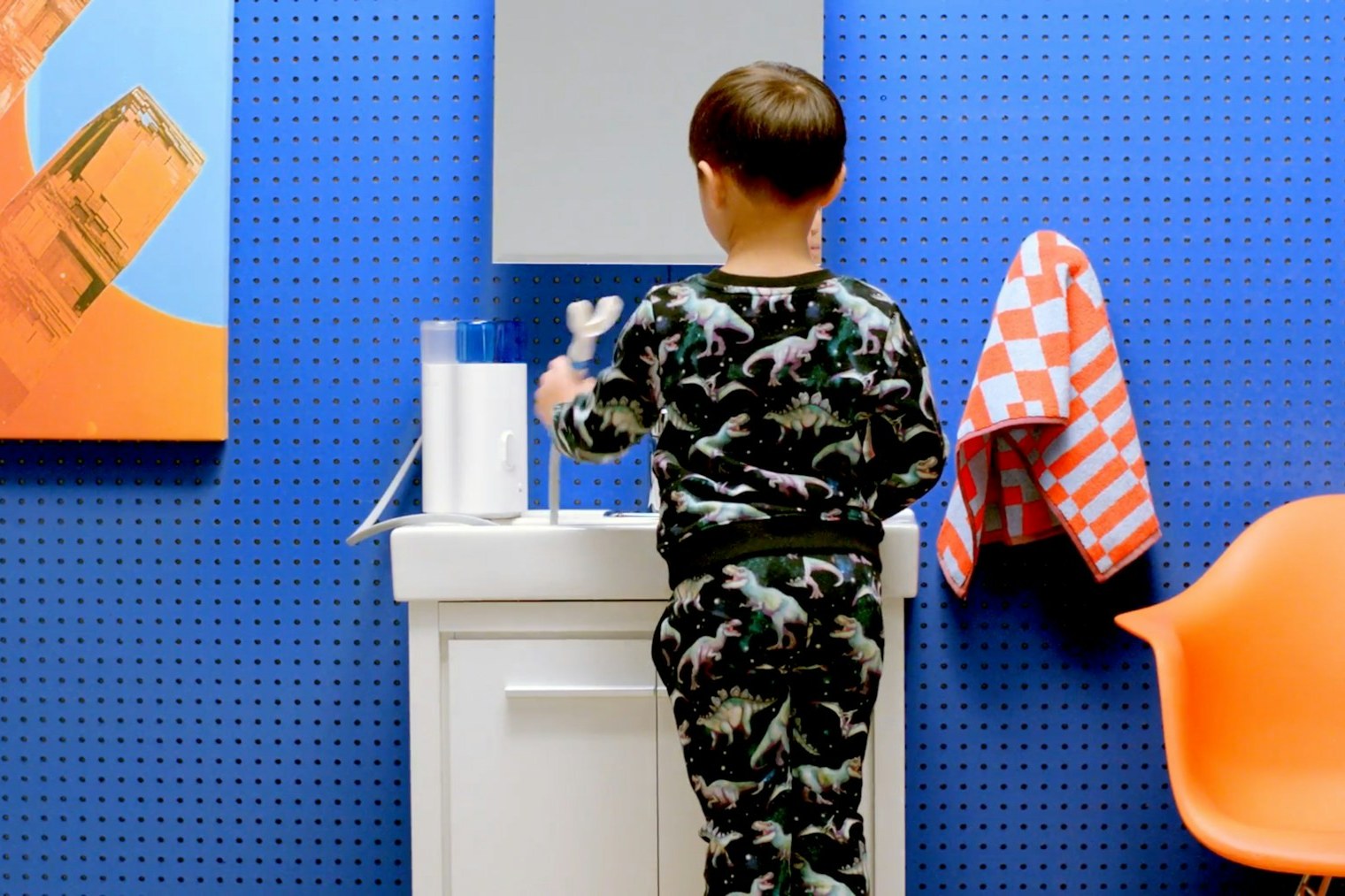
If thumb-sucking or dummy use continues after age 3-4, it can lead to a narrow upper jaw, front teeth being pushed forward and bite problems. In infancy, these habits are part of the natural sucking reflex.
Long-lasting habits can cause an “open bite”, meaning a gap between the front teeth when the back teeth are closed. If the habit is hard to break, the paediatric dentist may recommend a habit-breaking appliance if needed.
| 0-2 years | After 3-4 years | |
|---|---|---|
| Jaw development | The sucking reflex is considered natural. | A narrowing of the upper jaw may be seen. |
| Tooth alignment | Usually leaves no lasting effect. | Front teeth may be pushed forward and an open bite may form. |
When giving up a dummy, preparing the child for the process and cutting down step by step usually works better than cutting the tip or putting something bitter on it.
What should you do after a dental injury from a fall?
Dental injuries from falls during play are common in children. Whether the tooth is a baby tooth or a permanent tooth changes what you should do.
- 1Stay calm and stop the bleedingfirst minutes
Press gently with clean gauze.
- 2Find the broken piece or the toothright away
If a permanent tooth has come out, hold it by the white crown, not the root; don’t wash or rub it.
- 3Keep it in a suitable liquidon the way
Carry it in cold milk or in the child’s saliva; don’t let it dry out.
- 4See a dentist straight awayas soon as possible
With permanent teeth, time matters. A baby tooth is usually not put back, but the permanent tooth underneath needs checking.
If there is a head injury, confusion, vomiting or bleeding that won’t stop, go to the emergency department first.
Can a baby tooth have root canal treatment?
Yes. If decay has reached the pulp, the nerve of the tooth, baby teeth can also have root canal treatment. The aim is to keep the tooth in the mouth until it would naturally fall out, so the space for the permanent tooth coming underneath is kept.
If a baby tooth is extracted early, the neighbouring teeth can drift into the gap; this can leave no room for the permanent tooth to come through, or make it come in crooked. If early extraction is needed, the dentist may recommend a space maintainer.
- The canals are filled with permanent materials that don’t dissolve
- The aim is to keep the tooth for life
- The canals are filled with special materials that can dissolve along with the baby tooth root
- The aim is to keep the tooth until it would naturally fall out
- It is planned so as not to block the permanent tooth coming through underneath
The first visit for scared children
Planning the first visit as just a meeting and a short examination makes it easier for the child to trust the clinic. At home, describing the visit as something simple and ordinary works better than phrases like “it won’t hurt, no injections”.
When are sedation or general anaesthesia considered?
For children who can’t cooperate, need treatment on many teeth or have special needs, treatment can be done under sedation or general anaesthesia. This decision is made jointly by the paediatric dentist and the anaesthetist, after assessing the child’s health and giving the family detailed information.
| Sedation | General anesthesia | |
|---|---|---|
| Consciousness | Drowsy and calm | Fully asleep |
| When is it considered? | Mild to moderate anxiety, limited treatment | Unable to cooperate, extensive treatment |
| Who gives it? | Anesthesiologist | Anesthesiologist |
At MC Multi Clinic, general anaesthesia and sedation for children are given in the clinic with our anaesthetist. Saturday appointments can also be planned to fit around school hours.
What should you prepare before the visit?
- Your child’s general health, medicines and allergies
- Any previous dental treatment and X-rays
- Habits such as bottle, dummy and thumb-sucking
- The problems you’ve noticed and how long they’ve been going on
Let’s plan your child’s first check-up
At the first visit, our aim is to get to know each other and see how the teeth are.

Carries out check-ups, preventive care and treatment for children at our clinic.
Frequently asked questions
When should a baby see a dentist?
The first check-up is recommended when the first baby tooth comes through, or by around age 1 at the latest.
Should baby teeth be treated if they’re going to fall out anyway?
Yes. Baby teeth are needed for chewing and speaking, and they keep the space for the permanent teeth coming underneath. Untreated decay can lead to pain and an abscess.
Is fluoride application harmful for children?
Fluoride application done by a dentist in a way suited to the child’s age and risk of decay is safe.
Is there a difference between a children’s dental hospital and a private clinic?
Both provide children’s dental treatment. The booking method, waiting times and availability of sedation or general anaesthesia can differ between institutions; it helps to ask about these in advance.
How should I prepare my child for the appointment?
Describe the visit in short, positive words, don’t share your own bad experiences and choose a time when your child isn’t hungry or tired.
My child’s gums bleed when brushing. Should we stop brushing?
No. Bleeding is usually a sign of gum inflammation caused by plaque build-up, and stopping brushing makes it worse. Keep brushing regularly with a soft brush, and come in for a check-up if the bleeding continues.
How long does a children’s dentist appointment take?
The first appointment covers getting to know each other, the examination and informing the family. The time depends on the child’s age and cooperation; not tiring the child at the first visit is the priority.
Is it a problem if baby teeth have gaps?
Usually not. Gaps between baby teeth show that room is being made for the larger permanent teeth, and this is often a good thing.
This article is for general information and does not replace an examination.