In this article
Healthy gums do not bleed when you brush or floss. The most common cause of bleeding gums is gum inflammation (gingivitis) caused by bacterial plaque and tartar building up on the teeth. In the early stage it can be reversed with proper cleaning; if bleeding lasts more than two weeks, you should see a dentist.
- The most common cause of bleeding is gum inflammation caused by plaque and tartar.
- A hard brush, flossing the wrong way, pregnancy and some medicines can also increase bleeding.
- Stopping brushing because of bleeding makes inflammation worse; keep brushing gently with a soft brush.
- If bleeding lasts more than two weeks, or there is gum recession or loose teeth, you need an examination.
Why do gums bleed?
Plaque and tartar
Plaque that isn’t cleaned off hardens into tartar and inflames the gums.
Brushing too hard
A hard-bristled brush and pressing hard irritate the gums.
Pregnancy
Hormonal changes can make the gums bleed more easily.
Some medicines
Blood thinners can increase bleeding. Don’t stop your medicine yourself; talk to your doctor.
Diabetes
Uncontrolled blood sugar can increase gum inflammation.
Poorly fitting fillings and crowns
Fillings or crowns with overhanging edges make it easier for plaque to build up.
Is bleeding when brushing or flossing normal?
No. Healthy gums usually don’t bleed when you brush or floss. Pink or red on the brush usually shows that plaque-related gum inflammation has started in that area.
A common mistake is to stop brushing an area when it bleeds. The cause of bleeding is not the brush but plaque that isn’t cleaned off; stopping brushing lets plaque turn into tartar and inflammation increase. On the other hand, a very hard brush and harsh movements can also irritate the gums; a soft brush and the right technique are better.
- It is light pink
- It fits tightly around the tooth
- It usually doesn’t bleed when brushing
- They are red or purplish
- They look swollen and shiny
- They bleed easily when brushed or touched
Gingivitis or periodontitis?
Bleeding gums are the first sign of gum disease. The disease is considered in two stages:
- Only the gums are affected
- Bleeding, redness, swelling
- There is no bone loss
- Reversed with cleaning and proper care
- The bone supporting the tooth is also affected
- Recession, bad breath, loose teeth
- Gum pockets deepen
- Can be stopped, but lost bone does not come back
Can bleeding gums be a sign of another illness?
Most often the cause is in the mouth, but sometimes it can point to a general health problem. Gum inflammation is more common and more severe in uncontrolled diabetes.
More rarely, some blood disorders or conditions that weaken the immune system can show up as persistent bleeding gums. If bleeding continues despite scale and polish and regular brushing, your dentist may recommend a general check-up.
Diabetes
High blood sugar can make gum inflammation worse.
Medication
Some medicines, such as blood thinners, can increase bleeding.
Immune and blood disorders
Rarely, a general illness may lie behind bleeding that doesn’t stop.
What can you do at home?

- 1Soft brushevery day
Brush with a soft-bristled brush, at a 45-degree angle to the gum line, with small circular movements.
- 2Twice a day, two minutesmorning and evening
Don’t skip the evening brushing in particular.
- 3Cleaning between the teethonce a day
Use floss or an interdental brush. There may be a little bleeding in the first days; it lessens with regular use.
- 4Checkafter two weeks
If the bleeding doesn’t lessen within two weeks, see a dentist.
Don’t stop brushing an area because it bleeds. As plaque keeps building up, inflammation and bleeding increase.
Can a vitamin deficiency cause bleeding gums?
It can. Severe vitamin C deficiency in particular makes the gums prone to bleeding; but today the most common cause of bleeding gums is plaque and tartar, not vitamin deficiency.
Acidic mixtures said to help bleeding gums, or harsh substances rubbed on the teeth, can damage the gums and enamel. A balanced diet matters for general health, but the real solution to bleeding is cleaning off plaque regularly.
Even if mouthwash, home remedies or vitamin supplements reduce bleeding for a while, the problem usually comes back unless tartar and plaque are cleaned off.
When should you see a dentist?
- If bleeding lasts more than two weeks
- If there is swelling, discharge or an abscess in the gum
- If you notice your teeth look longer or your gums are receding
- If teeth are loose or new gaps open between them
- If you have bad breath that won’t go away
- If your gums bleed on their own, without brushing
If bleeding starts on its own and won’t stop, together with signs such as bruising easily or nosebleeds, see your family doctor as well as your dentist.
What happens at the examination and treatment?
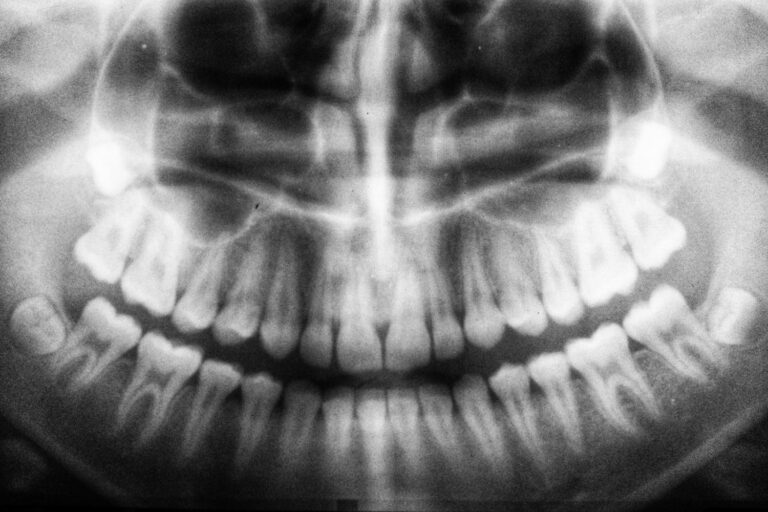
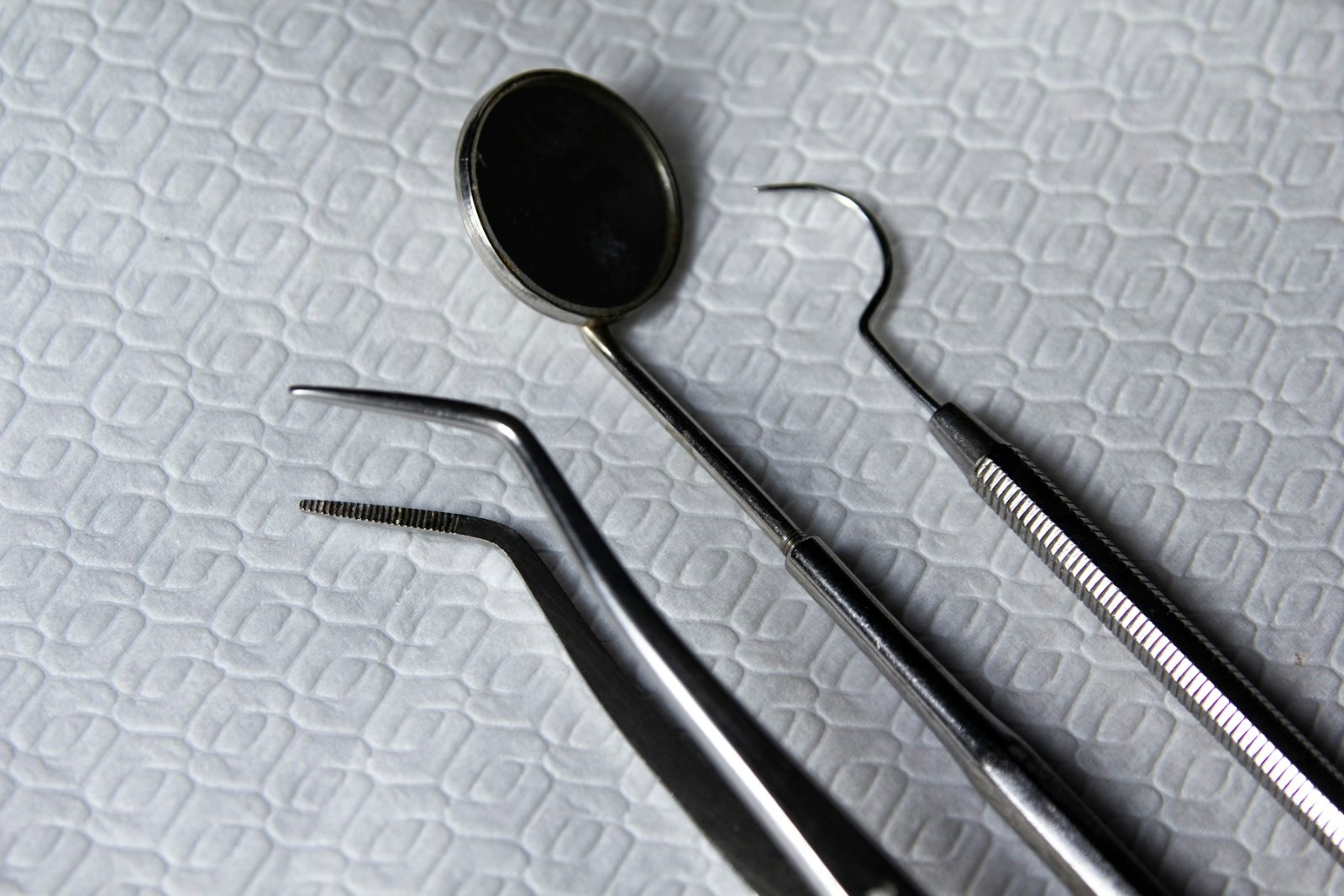
At the examination, the gums are checked and the pocket depth around each tooth is measured. X-rays are taken if needed. For most patients, a scale and polish and improving home care are enough. For deep pockets, root surface cleaning (deep cleaning) under local anaesthesia may be planned, and gum surgery in advanced cases.
Who treats advanced gum disease?
Simple gum inflammation usually improves with a scale and polish and proper care at home. Treatment of gum disease that has reached the bone is the field of a periodontist.
At our clinic, cleaning of deep pockets, treatment for bone loss and surgery for receding gums are performed by our periodontist. Before treatment, the bone supporting the teeth is assessed with X-rays.
Periodontics
The dental specialty that treats diseases of the gum and bone tissues supporting the teeth, and also places implants.
Do your gums bleed?
Let us find the cause with an examination; in most cases a simple cleaning and proper care are enough.
You may also want to read: What is a periodontist and when should you see one?.

Frequently asked questions
Will bleeding gums stop on their own?
In mild inflammation it can lessen within a few days with proper brushing and flossing. If there is tartar underneath, it won’t go away until it is cleaned off; for bleeding that lasts more than two weeks, an examination is recommended.
Does mouthwash stop bleeding?
Mouthwash can help, but it doesn’t remove tartar. It doesn’t replace brushing and cleaning between the teeth; ask your dentist about long-term use.
Are bleeding gums normal in pregnancy?
They are common because of hormonal changes, but shouldn’t be ignored. Scale and polish and gum check-ups can be done during pregnancy too; mention that you are pregnant at the examination.
Does a scale and polish damage the teeth?
No. Properly done scaling does not damage tooth enamel. There may be brief sensitivity after cleaning.
Do bleeding gums cause bad breath?
Gum inflammation and bacteria building up in deep pockets can cause bad breath. When the inflammation is treated, the smell usually lessens too.
Do blood thinners cause bleeding gums?
People taking blood thinners may see slight bleeding more often when brushing. This is not a reason to stop brushing; always tell your dentist about your medicine.
Can someone with bleeding gums have an implant?
Gum disease needs to be treated before an implant. Once the gums are healthy, the implant is planned.
How often should I change my toothbrush?
As the bristles wear, the brush cleans less well and can irritate the gums. It is usually recommended to change your brush or electric brush head every 3 months.
This article is for general information and does not replace an examination. The cause of the bleeding is found after an examination.