In this article
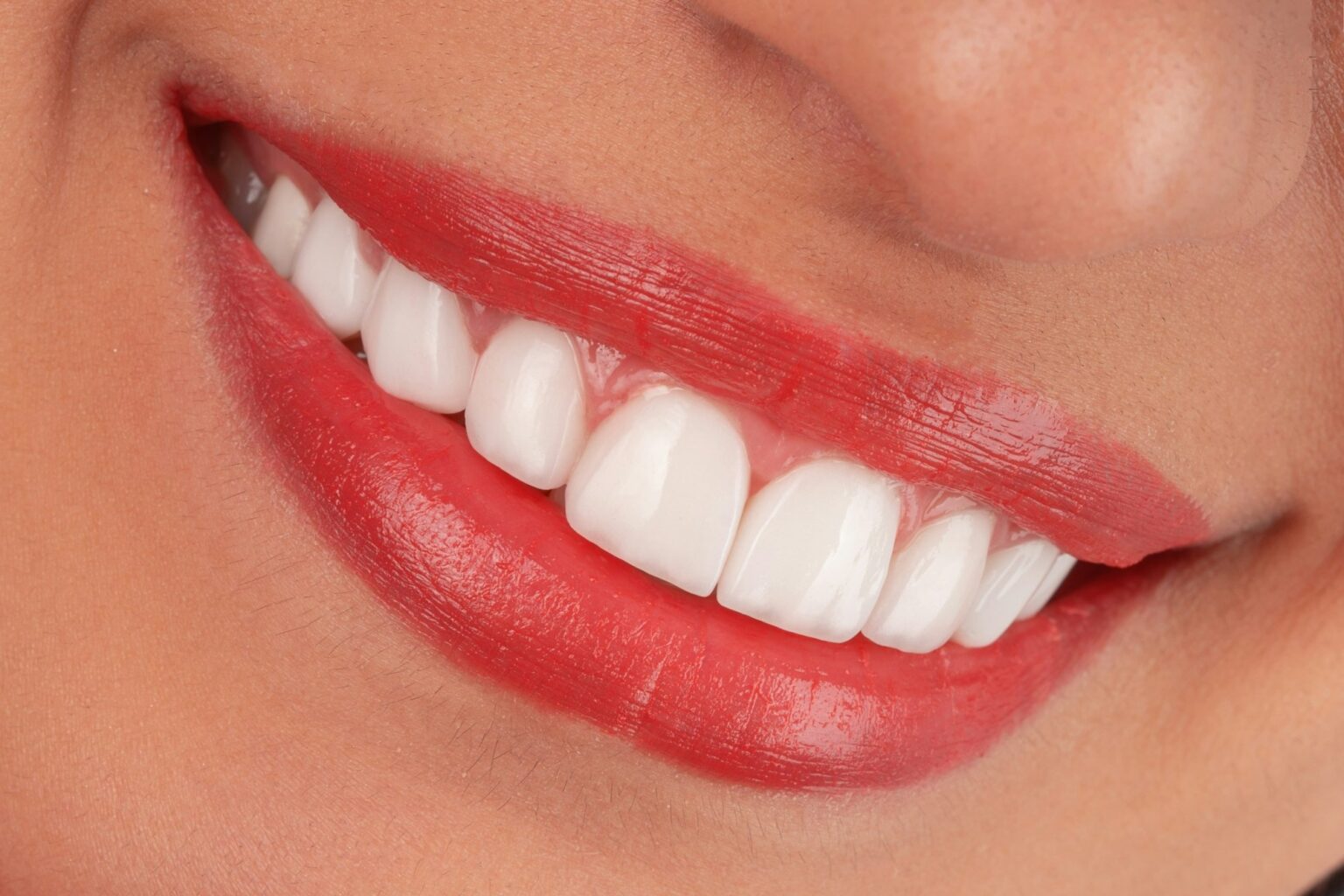
This is the question most often asked by people who want to change the colour or shape of their front teeth. In brief: a veneer is a thin porcelain shell bonded only to the front of the tooth and needs less reduction; a zirconia crown is a metal-free crown that covers the whole tooth and is preferred for teeth with a lot of lost tissue. Which one suits you is decided at the examination, depending on the condition of the tooth.
- Veneers are used on healthy front teeth to correct shape and colour.
- Zirconia can be used on teeth with large fillings, fractures or root canal treatment, at the front and back of the mouth.
- Both procedures remove tooth tissue, so they cannot be reversed.
- More conservative options (whitening, bonding, orthodontics) are always considered first.
What are veneers and zirconia crowns?
Veneers (porcelain laminates)
A porcelain shell as thin as a contact lens, bonded only to the front of the tooth. The tooth is usually reduced by about 0.3–0.7 mm.
Zirconia crown
A type of crown that covers the whole tooth and has no metal core. It lets light through much like a natural tooth and is durable.
Comparison table
| Veneers | Zirconia | |
|---|---|---|
| Area covered | Front surface of the tooth | The whole tooth |
| Tooth tissue removed | Little | Moderate |
| Where used | Healthy front teeth | Front and back teeth, bridges, on implants |
| When suitable | Colour, shape, small chips and gaps | Large fillings, fractures, root-canal-treated teeth |
| Visits | Usually 2–3 | Usually 2–3 |
| Colour stability | High | High |
What is an E.max crown and how does it differ from zirconia?
E.max (lithium disilicate) is a reinforced glass ceramic that lets light through much like a natural tooth. Zirconia (zirconium dioxide) is another type of ceramic: metal-free, white and resistant to chewing forces.
Which one is used depends on where the tooth is in the mouth and the colour of the tooth underneath. Because E.max lets light through well, it gives a lively, natural look, especially on front teeth. Zirconia is stronger, so it can be used both on front teeth and on back teeth under high pressure. Zirconia is also better at masking dark or root-canal-treated teeth.
- High light transmission
- Often preferred for front teeth
- May partly show the colour of the tooth underneath
- More resistant to fracture
- Can be used on front and back teeth and in bridges
- Masks dark teeth well
Which is considered for which tooth?
- Permanent discolouration that whitening doesn’t lighten
- Small chips and wear on front teeth
- Small gaps between teeth
- Teeth that look short or different from each other
- Teeth with large fillings or fractures
- Root-canal-treated back teeth
- Replacing old metal-backed crowns
- Cases needing a bridge or a tooth on an implant
Crowning healthy teeth purely for appearance is a decision that needs careful thought. More conservative options such as teeth whitening, bonding or orthodontics are discussed first.
Bonding or veneers?
Bonding corrects shape problems by adding tooth-coloured composite material to the tooth. Veneers are thin porcelain shells made in the laboratory and bonded to the front surface of the tooth.
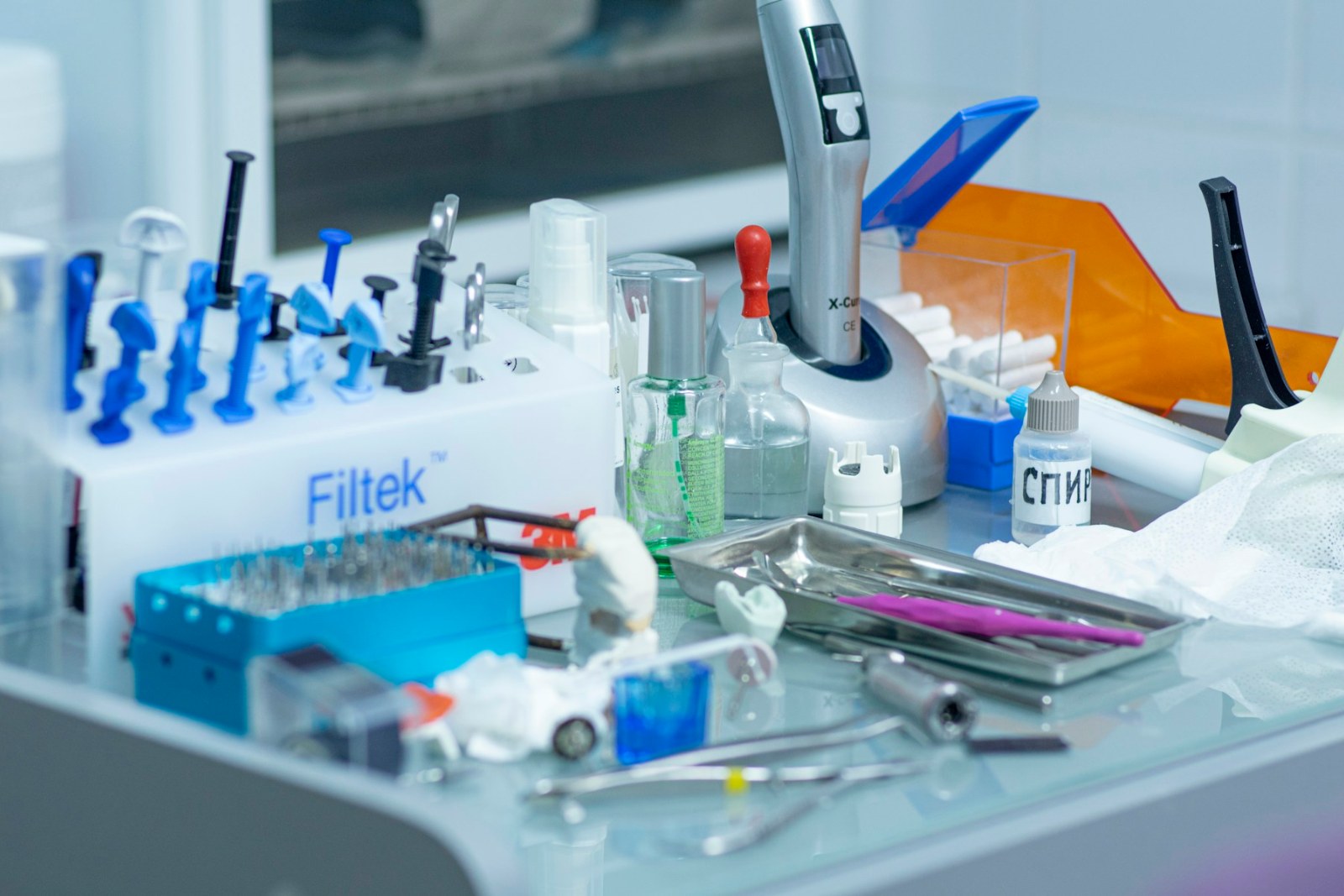
Because bonding doesn’t need a laboratory stage, it is usually finished in one visit; but composite stains more easily than porcelain with things like tea and coffee. Veneers are porcelain, so they keep their colour and shine for a long time. Which one is chosen depends on the condition of the tooth, the size of the gaps and your expectations, and is decided together with the dentist.
| Bonding (composite) | Veneer (porcelain) | |
|---|---|---|
| Material | Composite | Porcelain |
| Time | Usually one visit | Several visits including a laboratory stage |
| Colour | Can stain over time | Resistant to colour change |
| Durability | Higher risk of chipping and wear with hard foods | Holds firmly once bonded to the tooth |
How is treatment done?
- 1Examination and smile analysisDay 1
Tooth and gum health is checked; facial and smile photos are taken and your expectations are discussed.
- 2Design and trial (mock-up)about 1 week
The planned teeth are tried in the mouth with a temporary material; length, shape and colour are agreed together.
- 3Tooth preparation1 session
Under local anaesthesia, the teeth are reduced to the planned amount, an impression or digital scan is taken and temporary crowns are fitted.
- 4Try-in and bondingwithin 1–2 weeks
The crowns or veneers made in the laboratory are tried in and bonded permanently.
What is a digital impression and how does it affect the process?
A digital impression means transferring a 3D model of the teeth to a computer with an intraoral scanner, instead of using putty impression materials. It is a current method used in planning crowns and veneers.
Taking a conventional impression can be difficult for people with a gag reflex; a digital impression makes this step more comfortable. The teeth can be viewed from every angle on screen, the data is sent quickly to the laboratory and the chance of having to repeat the impression is lower.
- 1ScanningStage 1
The teeth and surrounding tissues are scanned with a small camera tip and shown on screen.
- 2DesignStage 2
The shape of the crown or veneer is designed on the 3D model.
- 3ProductionStage 3
The approved design is milled from ceramic or zirconia on computer-aided machines.
How long do crowns and veneers last?
With good care and regular check-ups, both options can be used for many years. It would not be right to give an exact figure; the things that affect it most are:
Cleaning the edges
Plaque building up at the edges of crowns can lead to gum inflammation and decay.
Teeth clenching
If you clench or grind at night, a night guard is recommended.
Hard objects
Biting hard objects such as ice, seeds or pens can cause fractures.
Check-ups
Crowns and gums are followed up with 1–2 check-ups a year.
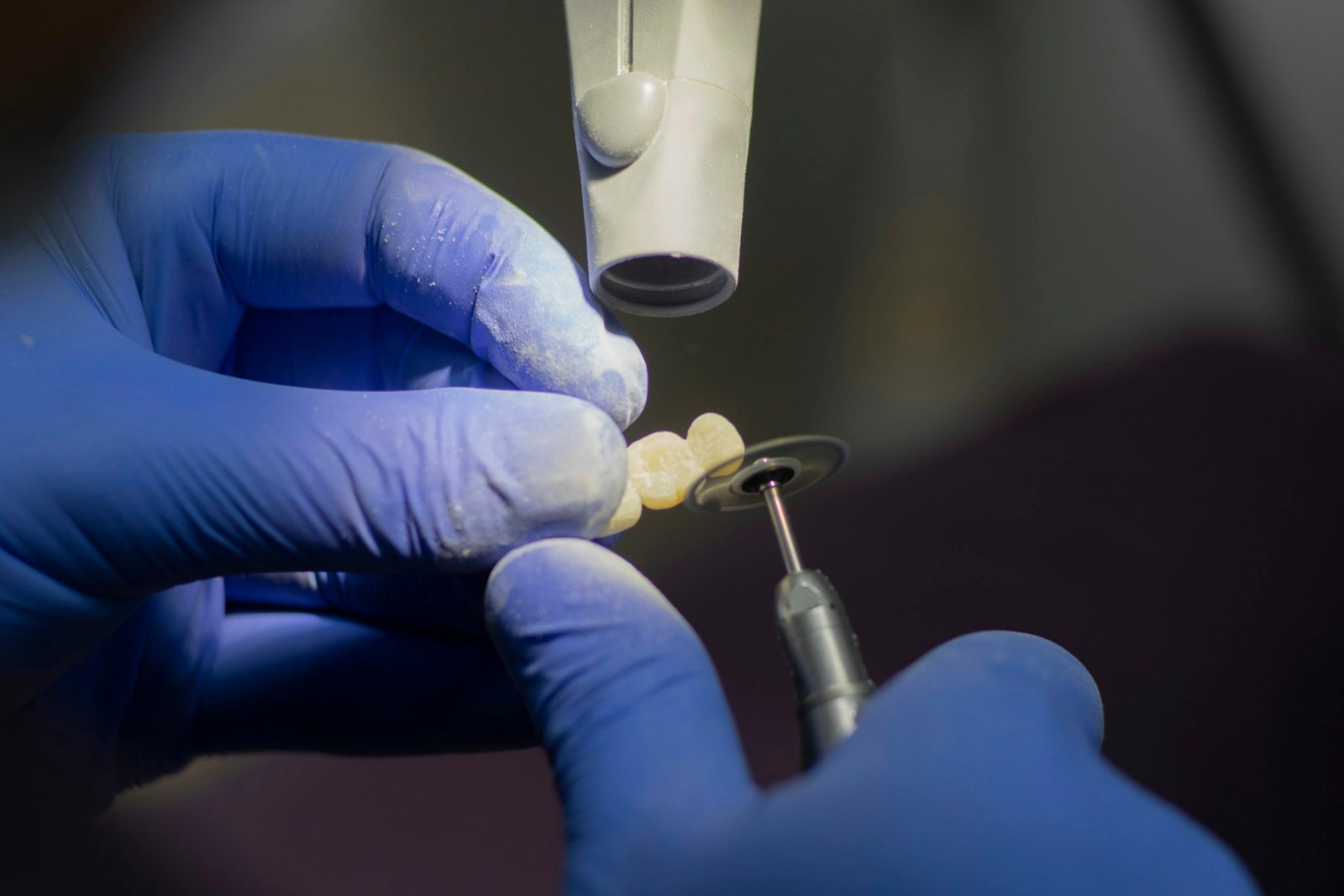
Can you have crowns if you clench your teeth (bruxism)?
Yes, people who clench or grind their teeth can have crowns too; but the planning changes accordingly.
The force on the teeth during sleep can be much higher than during the day. Just as with natural teeth, this pressure can wear, crack and break crowns over time. That is why, for people who clench, durable options such as single-piece (monolithic) zirconia are considered first rather than more fragile materials that prioritise looks, such as E.max.
Night guard
After treatment, a custom night guard protects the crowns.
Choice of material
Durable, single-piece zirconia is considered first.
Regular check-ups
Wear and bite are followed up at check-ups.
If you have a clenching habit, it is recommended to wear the night guard your dentist makes regularly to protect your crowns.
Let us decide together on the right option for your smile
At the examination, let us assess your teeth and talk about veneers, zirconia or more conservative options.
You may also want to read: What to look for when choosing a dental clinic in Aydın.

Plans zirconia crowns, veneers and smile design treatment at our clinic; holds a PhD in prosthodontics.
Frequently asked questions
Will my teeth be cut down for veneers?
Only the front of the tooth is reduced slightly; less tissue is removed than for zirconia. In some cases veneers can be placed with very little or no reduction.
Do zirconia crowns and veneers change colour?
Porcelain and zirconia resist colour change. Plaque that builds up at the edges, however, needs to be cleaned regularly.
Can crowned teeth be whitened?
No, whitening doesn’t change the colour of crowns. If whitening is being considered, it is usually done first and the crown colour is chosen to match.
Can I see the result in advance?
Yes. The planned teeth can be tried in the mouth with a temporary material before the permanent work (mock-up).
Is the procedure painful?
The teeth are prepared under local anaesthesia. Afterwards there may be sensitivity to hot and cold for a few days.
Can veneers be placed on back teeth?
Because a veneer is a thin porcelain shell, it is usually used on front teeth. On back teeth, where chewing forces are high, zirconia or full ceramic crowns are preferred.
Do crowns cause bad breath?
Well-polished crowns that fit the gums don’t cause bad breath by themselves. Odour usually comes from debris building up at the edges of the crown; regular brushing and flossing prevent this.
Do E.max and zirconia stain with tea and coffee?
Because the surface of ceramic crowns is polished, it is smooth and stains far less than natural teeth. They don’t easily change colour with tea, coffee or smoking.
This article is for general information and does not replace an examination. The option that suits you is decided after an examination and smile analysis.