In this article
A periodontist is a dentist who, after dental school, has completed specialist training in periodontics. They treat gum disease and diseases of the tissues that hold the tooth in the jaw and of the bone that supports the tooth. If you have bleeding gums, receding gums, bad breath that won’t go away or loose teeth, an examination with a periodontist is a good place to start.
- The official title is periodontist; people also call them a gum specialist.
- Gum disease often progresses without pain; the first sign is usually bleeding when brushing.
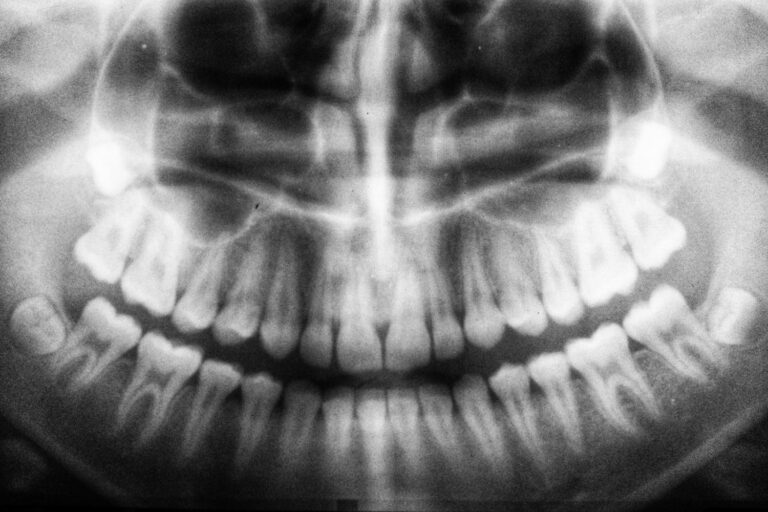
- At the examination, the pocket depth around each tooth is measured and X-rays are taken if needed.
- Treatment is planned according to the stage of the disease; in the early stage, cleaning and proper care are often enough.
What does a periodontist do?
Diagnosis
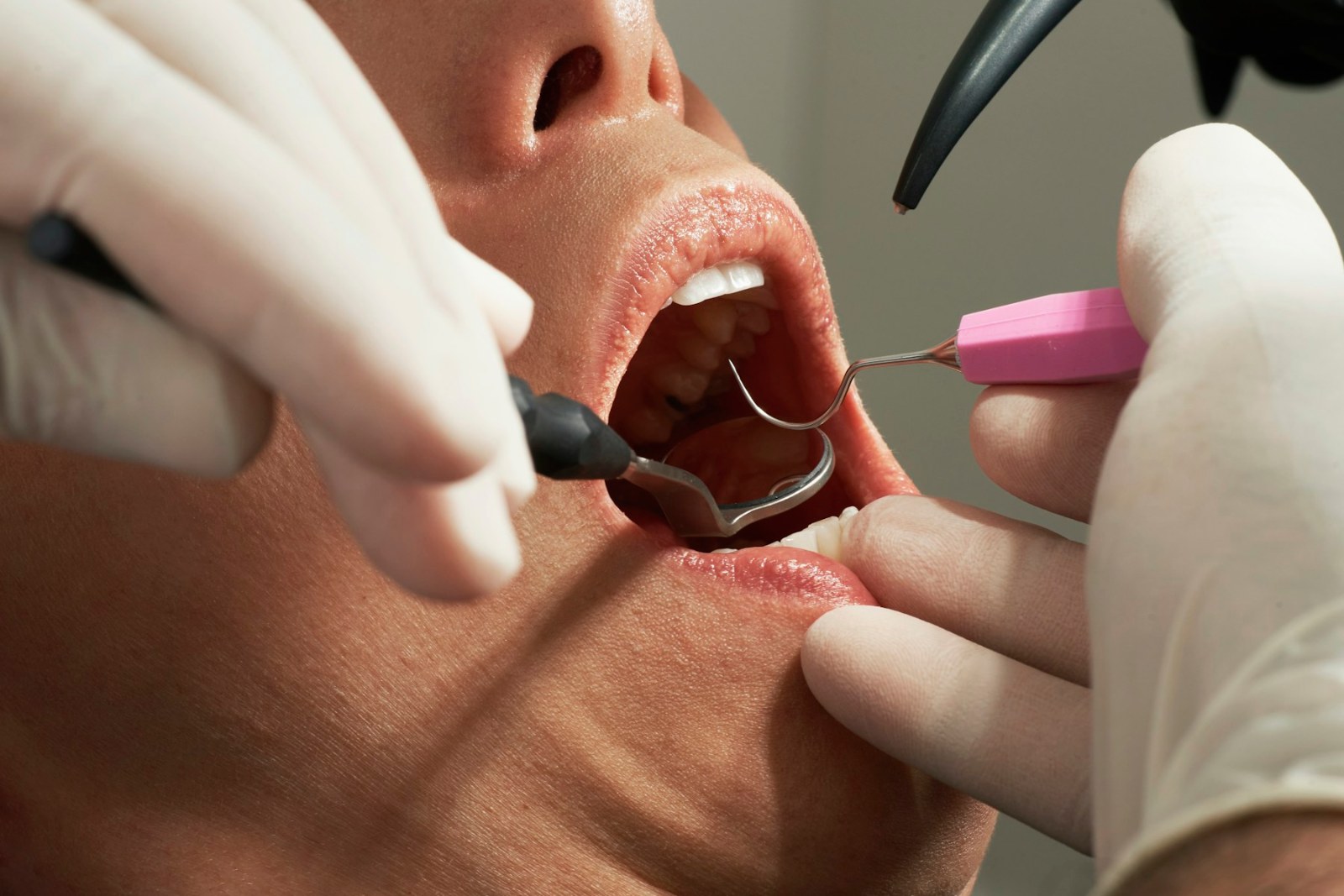
Determines the stage of the disease with gum pocket measurements and X-rays.
Gum treatment
Scale and polish, root surface cleaning (deep cleaning) and gum surgery.
Implant surgery
Implant placement, bone grafts and sinus lifts.
Gum contouring
Reshaping gums that show too much when smiling or are uneven.
Does periodontics only deal with the gums?
No. Along with the gums, periodontics also deals with the health of the bone that supports teeth and implants. Implant surgery, bone grafting and gum aesthetics are also part of this field.
That is why a periodontist’s assessment matters when implants are being planned or when there is bone loss from gum disease; how long an implant stays healthy depends on the gum and bone around it.
- Treatment of gum inflammation and pockets
- Treatment of receding gums
- Adjusting the gum line (pink aesthetics)
- Implant surgery and treatment of inflammation around implants
- Bone grafting and sinus lifts
- Oral surgery such as removing impacted teeth
At our clinic, oral surgery such as implants, bone grafts, sinus lifts and removal of impacted teeth is performed by our periodontist.
Which signs mean you should see a periodontist?
Gum disease can progress quietly. If you have any of the following signs, don’t put off an examination:
Bleeding
Gums bleeding when you brush or floss.
Redness and swelling
Dark red, swollen gums that are tender to the touch.
Bad breath
A bad smell or taste that doesn’t go away despite brushing.
Receding gums
Teeth looking longer and root surfaces becoming exposed.
Loose teeth
Teeth moving or new gaps opening between them.
Sensitivity
Sensitivity to cold because of receding gums.
Smokers may have less gum bleeding, which can hide the disease. If you smoke, regular gum check-ups are important even without symptoms.
Stages of gum disease
| Gingivitis | Periodontitis | |
|---|---|---|
| Area affected | Gums only | Gums and the bone holding the teeth |
| Symptoms | Bleeding, redness, swelling | Bleeding, recession, bad breath, loose teeth |
| Gum pocket | No deep pockets | Deepened pockets |
| X-rays | No bone loss | Bone loss may be seen |
| Reversibility | Reversed with cleaning and care | Can be stopped; lost bone does not grow back on its own |
What is done at the first examination?
- 1Medical historyfirst minutes
Your concerns, the medicines you take and risk factors such as diabetes and smoking are discussed.
- 2Gum measurementsame session
The pocket depth around each tooth is measured with a fine probe; it is not a painful procedure.
- 3X-raysif needed
Checks whether there is loss of the bone supporting the teeth.
- 4Treatment plansame session
The stage of the disease and the treatment steps that suit you are explained.
What methods are used in gum treatment?
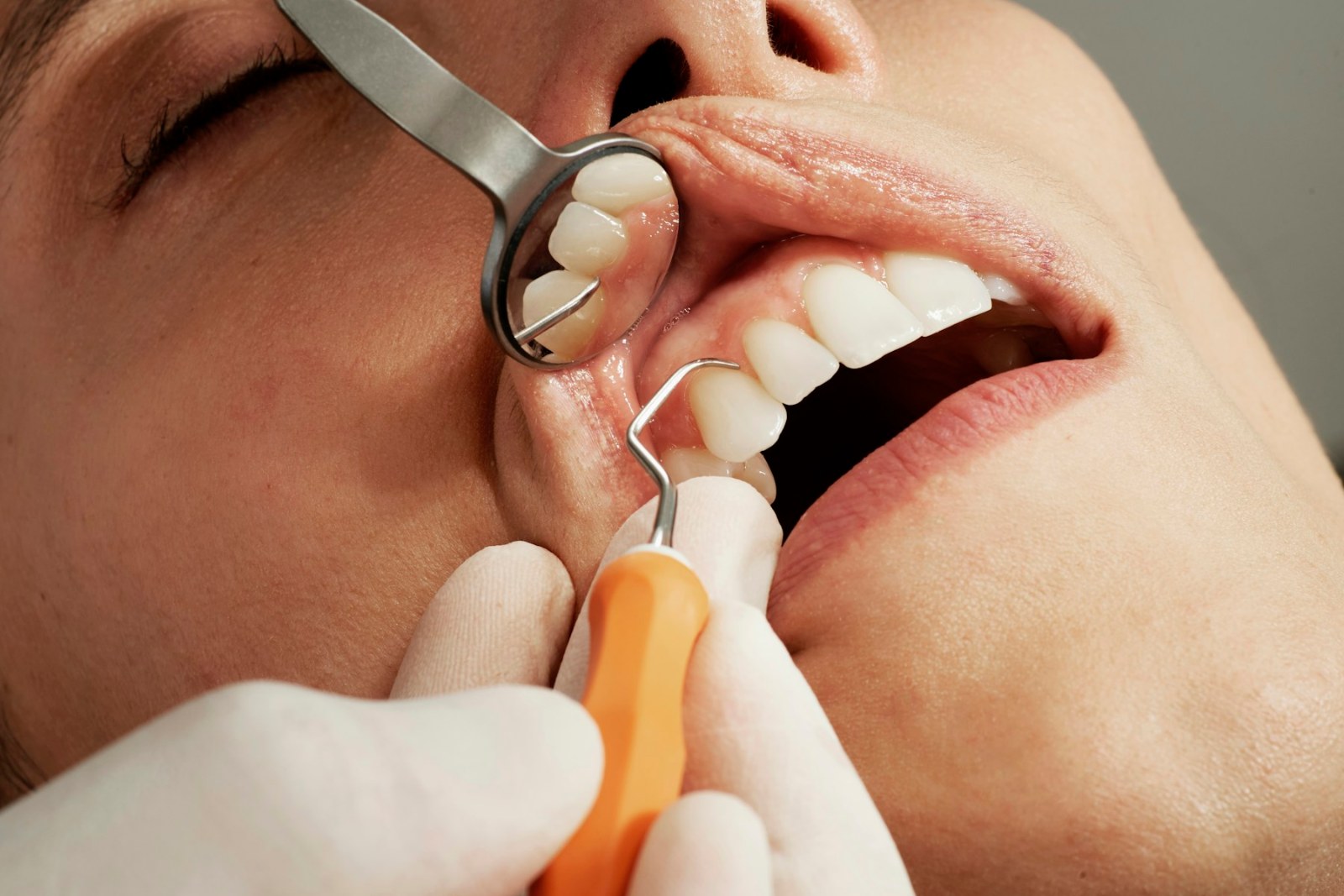
- Scale and polish: Plaque and tartar are removed from the tooth surface. This is the first treatment for gum inflammation.
- Root surface cleaning (deep cleaning): In deep pockets, tartar and inflamed tissue under the gum are cleaned under local anaesthesia.
- Gum surgery: For deep pockets that don’t improve, flap surgery or a gum graft may be planned.
- Maintenance: A check-up and professional cleaning every 3–6 months so the disease doesn’t come back.
How are receding gums treated? Is surgery necessary?
Not always. In mild recession, removing the cause is often enough: cleaning off tartar and plaque, the right brushing technique and a night guard if you clench your teeth.
Where the root surface is clearly exposed, sensitivity increases or the appearance bothers you, gum surgery may be planned to cover the exposed root and thicken the gum.
- 1Root surface cleaningStage 1
Plaque and tartar are cleaned from the exposed root surface.
- 2Tissue repositioningStage 2
Healthy gum from the neighbouring area is moved towards the area of recession.
- 3Tissue graftIf needed
If there isn’t enough tissue nearby, a small piece of tissue taken from the palate is placed in the receded area.
What is pink aesthetics (gingivectomy)?
Pink aesthetics covers procedures that balance the smile by adjusting the level and shape of the gums. They are considered when too much gum shows when smiling or when the gum levels differ between left and right.
Gingivectomy
Surgically removing and shaping excess gum tissue that makes teeth look short or creates pockets.
Balanced smile
Reducing the differences between gum levels gives a more balanced appearance.
Tooth length
Exposing tooth surface hidden under the gum makes the teeth look more naturally proportioned.
Easier cleaning
Reducing deep pockets where plaque collects makes the area easier to clean.
What happens if it isn’t treated?
Untreated gum inflammation can spread over time to the bone that supports the tooth. As bone loss increases, teeth become loose and may eventually be lost. Gum health also matters for the success of implants, crowns and orthodontic treatment; active gum disease needs to be cleared before these treatments.
Does gum disease affect general health?
It can. Gum disease has a two-way link with diabetes in particular: uncontrolled blood sugar makes gum disease worse, and untreated gum inflammation can make blood sugar harder to control.
Its link with heart and vascular disease is also being researched. So if you have a general health condition, be sure to tell your dentist at the gum examination.
| Condition | Link with gum health |
|---|---|
| Diabetes | High blood sugar increases the tendency to inflammation; gum treatment can also help with blood sugar control. |
| Heart and vascular disease | Its link with inflammation in the mouth is being researched scientifically. |
| Pregnancy | Hormonal changes can make the gums swell and bleed more easily. |
If your gums bleed, let us start with an examination
Let us assess the situation with gum measurements and X-rays if needed, and explain the treatment steps that suit you.
You may also want to read: Why do gums bleed?.

Treats gum disease and performs implant surgery, bone grafts and sinus lifts at our clinic.
Frequently asked questions
What is the difference between a periodontist and a dentist?
A general dentist helps with scale and polish and simple gum problems. A periodontist has completed specialist training after dental school and specialises in advanced gum disease, gum surgery and implant surgery.
Will bleeding gums stop on their own?
With mild inflammation, bleeding may lessen with proper brushing and flossing. If bleeding continues, there may be tartar or deepened pockets underneath; an examination is recommended.
Is curettage painful?
Curettage is done under local anesthesia, so you do not feel pain during the procedure. There may be sensitivity for the next few days.
Do receding gums grow back?
Receded gums do not grow back on their own. The progression can be stopped by removing the cause; in suitable cases, the area can be covered with a gum graft.
How often should I have check-ups?
For patients treated for gum disease, a check-up and cleaning every 3–6 months is usually recommended. Your dentist will set the interval.
What role does a periodontist play in implant treatment?
How long an implant stays healthy depends on the bone and gum around it. As well as implant surgery, a periodontist also works on preventing and treating inflammation around implants.
Do receding gums cause sensitivity?
Yes. When the gum recedes, the root surface is exposed and you may feel twinges with cold, hot or sweet foods.
Does scale and polish damage enamel?
No. Scale and polish done by a dentist does not wear away enamel; it only removes hardened tartar stuck to the tooth surface.
This article is for general information and does not replace an examination. The treatment that suits you is decided after an examination.