In this article
When you lose a tooth, the two fixed options most often discussed for filling the gap are a dental bridge and an implant. A bridge is supported by the teeth on either side of the gap; an implant is held by a screw placed in the jawbone and does not touch the neighbouring teeth. Which one suits you is decided at the examination, based on the condition of the neighbouring teeth, the amount of bone and your general health.
- For a bridge, the teeth on either side of the gap are reshaped and crowned; no surgery is needed.
- With an implant the neighbouring teeth are left untouched, but enough bone and a few months of healing are needed.
- If the neighbouring teeth already have fillings or crowns, a bridge is often discussed; if they are healthy, an implant usually is.
- With both options, what matters most for how long they last is daily cleaning and regular check-ups.
What is a dental bridge and how is it made?
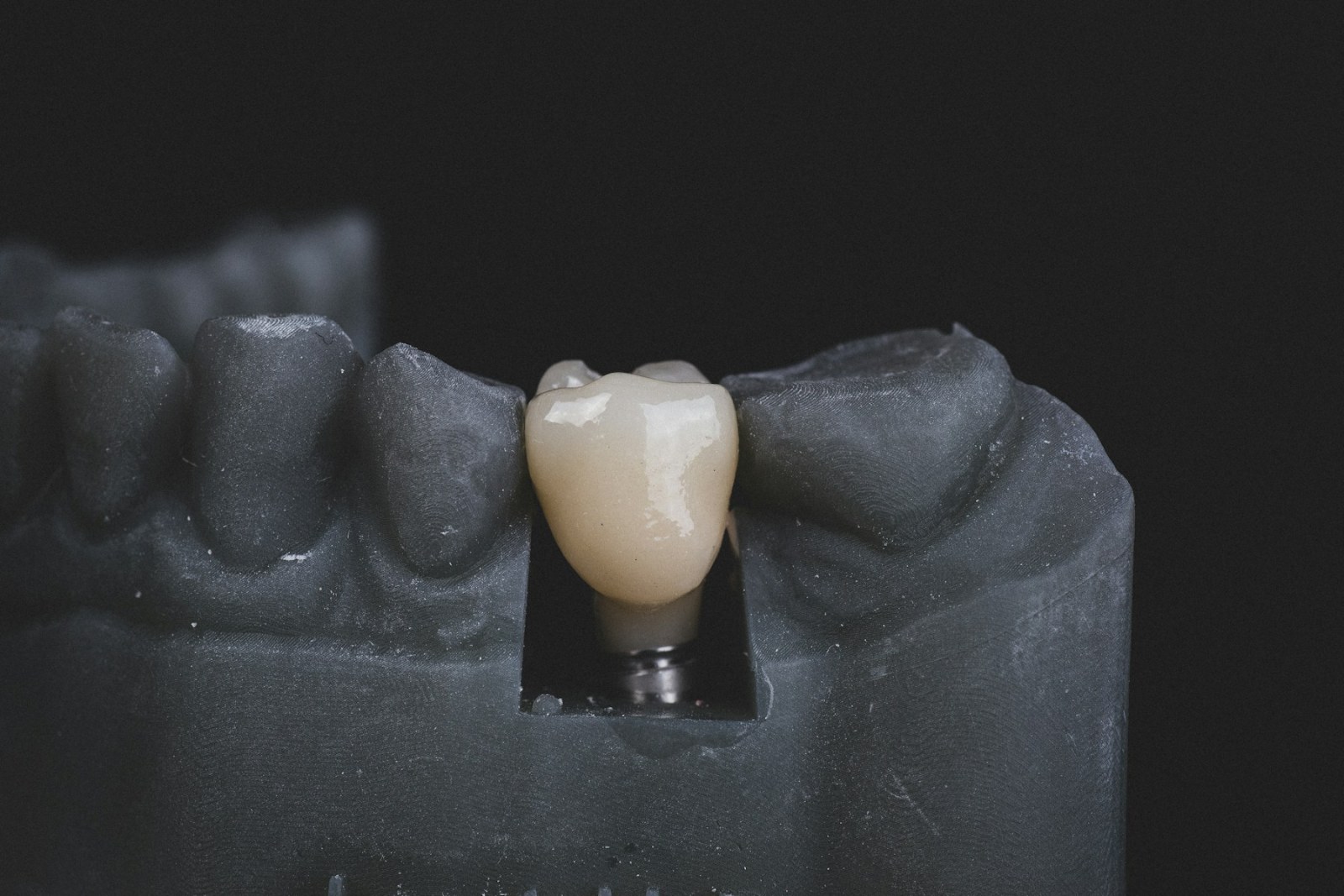
Dental bridge
A fixed prosthesis made by reshaping and crowning the teeth on either side of the missing tooth and placing an artificial tooth attached to these crowns in the gap. It does not come out of the mouth.
A bridge is usually made of zirconia or porcelain fused to metal. The supporting teeth are reshaped under local anaesthesia, an impression or intraoral scan is taken, and the bridge made in the laboratory is tried in and then cemented. The process is usually completed over a few appointments.
- 1Examination and X-rays1st appointment
The supporting teeth and gums are assessed, and the bridge and implant options are discussed.
- 2Tooth preparation2nd appointment
The supporting teeth are reshaped, an impression is taken and a temporary bridge is fitted.
- 3Try-ininterim appointments
The fit, colour and shape of the bridge are checked in the mouth.
- 4Bondingfitting
The bridge is adjusted to the bite and permanently bonded.
What is an implant and how is it done?
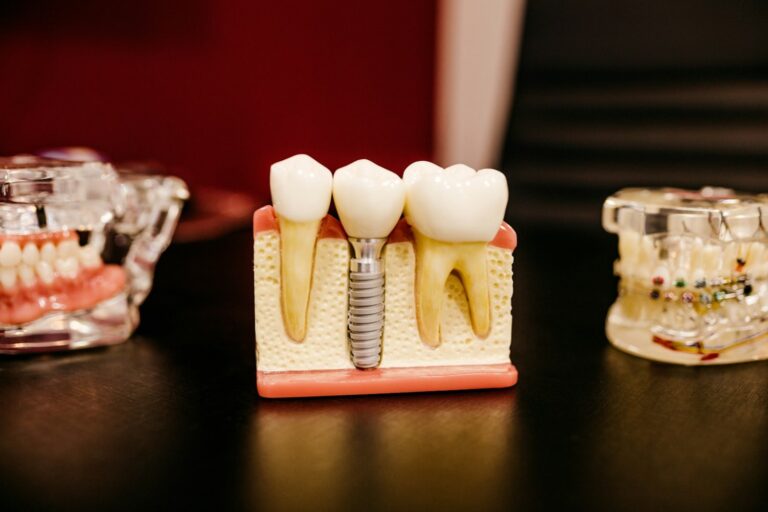
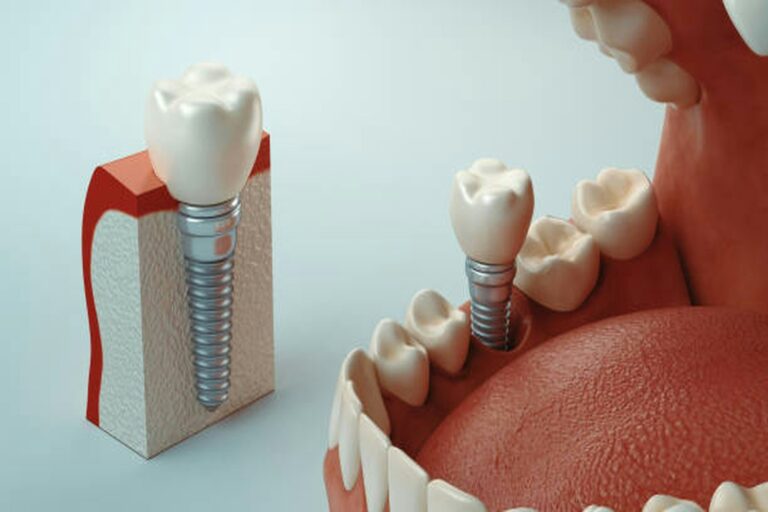
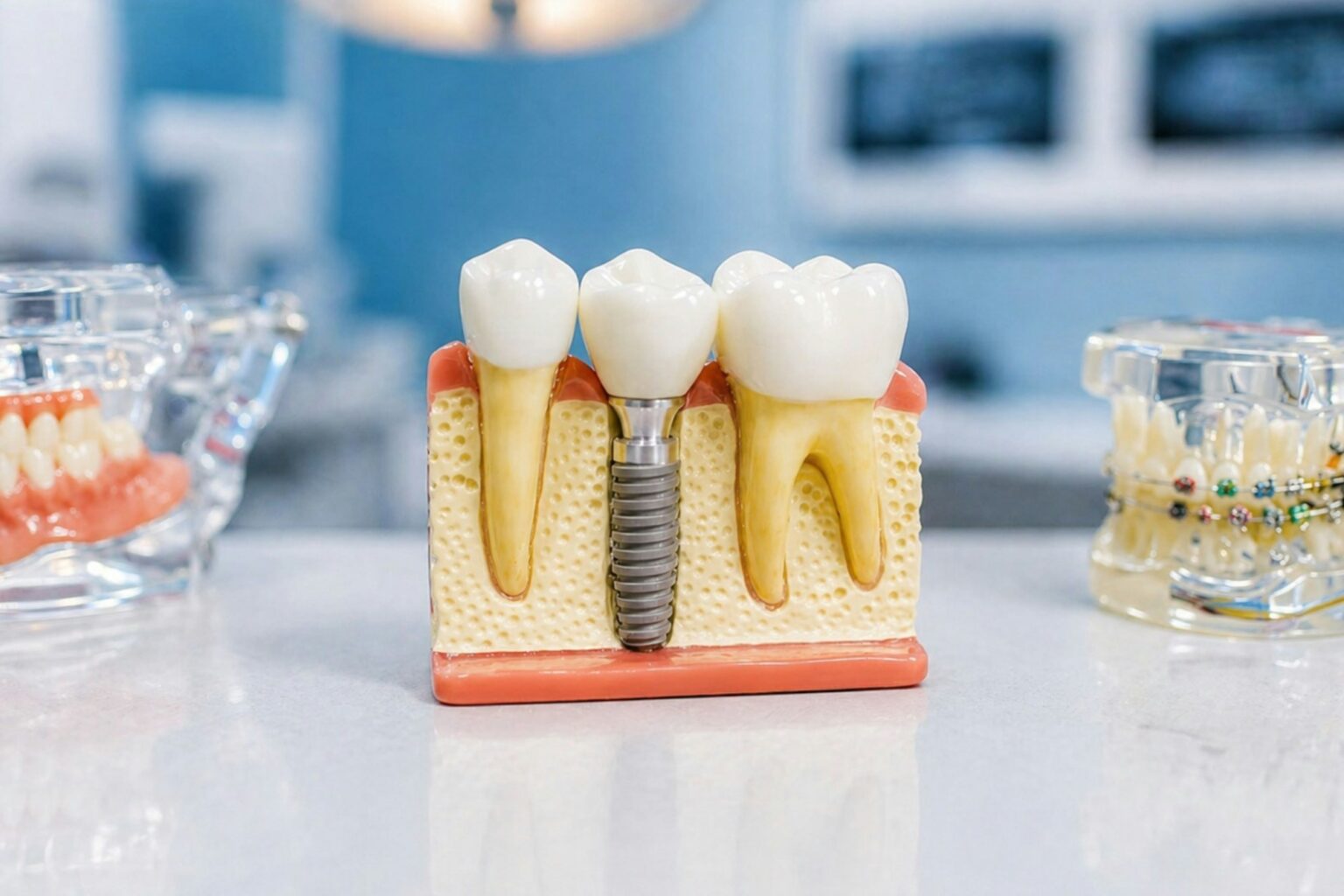
Dental implant
A titanium screw placed in the jawbone that takes the place of the missing tooth’s root. Once it has fused with the bone, a crown (tooth) is made on top.
Implant surgery is done under local anaesthesia. It usually takes a few months for the implant to fuse with the bone; a temporary tooth can be used during this time if needed. If there is not enough bone, a bone graft or, at the back of the upper jaw, a sinus lift may be needed first. A 3D CT scan is taken for planning.
Is an implant possible for people who are nervous about surgery?
Yes. Implants are usually placed under local anaesthesia and you generally feel no pain during the procedure. For very anxious patients, sedation or general anaesthesia with an anaesthetist can also be planned.
Worry about surgery can lead some patients towards a bridge, which means reshaping healthy neighbouring teeth. To decide based on the state of your mouth rather than fear, it is better to have an examination first and talk through the options.
Before an implant, the jawbone is examined with a 3D CT scan. This way the length and position of the implant are planned in advance.
Bridge and implant compared
| Dental bridge | Implant | |
|---|---|---|
| Neighbouring teeth | Reshaped and crowned | Left untouched |
| Surgery | Not needed | Implant surgery needed |
| Bone needed | Not a deciding factor | Enough bone needed; graft if necessary |
| Time | Usually a few weeks | A few months because of fusion |
| Cleaning | Under the bridge with superfloss or a water flosser | With an interdental brush and floss, like a natural tooth |
| When is it preferred? | If the neighbouring teeth already need crowns | If the neighbouring teeth are healthy and the bone is suitable |
How do a bridge and an implant differ in terms of bone loss?
An implant passes chewing forces to the bone like a natural tooth root, which helps preserve the bone in that area. A bridge spans the gap; the bone under the bridge carries no load and can become thinner over time.
When a tooth is lost, bone that no longer takes chewing forces gradually starts to shrink. This difference can show, especially at the front, as a gap or gum recession under the bridge over time.
- Passes load to the bone
- Helps preserve the bone in the area
- Neighbouring teeth are left untouched
- Spans the gap
- Passes no load to the bone underneath
- Neighbouring teeth need reshaping
5 points to weigh when deciding
Condition of the neighbouring teeth
If the neighbouring teeth are healthy, an implant protects them; if they have large fillings or crowns, a bridge may make sense.
Amount of bone
An implant needs enough bone. This is measured with a 3D CT scan.
General health
Conditions such as uncontrolled diabetes and heavy smoking can affect an implant plan.
Time expectations
A bridge is finished sooner; with an implant there is a healing period.
Care habits
With both options, cleaning between the teeth and check-ups should not be neglected.
Gum health
If there is active gum disease, it is treated first; it affects how long either option lasts.
Not having enough bone does not by itself rule out an implant. In suitable patients, room for an implant can be created with a bone graft or sinus lift. This is assessed with a CT scan.
How long do a bridge and an implant take?
A bridge is usually completed within a few weeks. With an implant, there is a wait of a few months after surgery for the screw to fuse with the bone, and then the permanent tooth is fitted.
If you are short on time, tell your dentist at the examination. In some cases a temporary tooth can be fitted on the same day as the implant or soon after; whether this is possible depends on the bone.
- 1BridgeA few weeks
The supporting teeth are reshaped, an impression is taken and the bridge is cemented after try-ins.
- 2Implant surgeryOne session
The implant is placed in the bone under local anaesthesia.
- 3Permanent toothA few months later
Once the implant has fused with the bone, the permanent tooth is made on top.
Which option suits your missing tooth?
After an examination and X-rays, let us explain the bridge and implant options to you, along with how long each takes.
If more than one tooth is missing
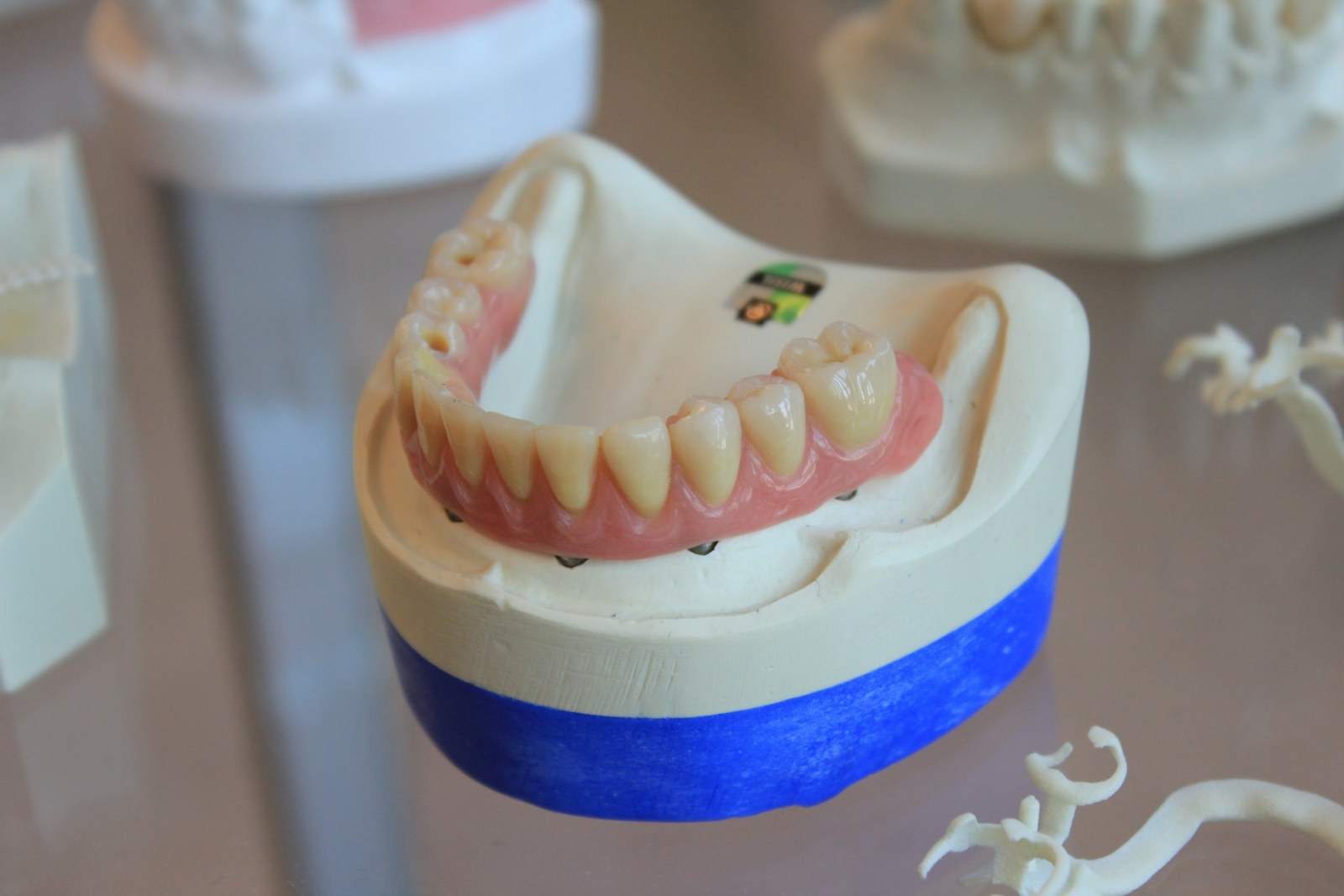
If several teeth or all the teeth are missing, there are more options. Which one suits you depends on the remaining teeth, the bone and your expectations:
Does insurance cover bridges and implants?
It depends on the dental cover in your policy. Some policies cover bridges, and some cover implants too, within certain limits.
Our clinic has an agreement with Allianz. If you have a policy with dental cover, your limits are reviewed together with the treatment plan.
Dental cover
The scope and annual limit set for dental treatment in a health insurance policy.
Why is it important not to leave the gap for long?
If a gap is left for a long time, the neighbouring teeth can tilt into it, the opposing tooth can over-erupt and the bone in that area gradually becomes thinner. These changes can make both a bridge and an implant harder later. Talking through the options with your dentist soon after an extraction makes planning easier.
You may also want to read: What affects the cost of dental implants?.

Plans bridge and denture treatment at our clinic. Implant surgery is performed by our periodontist, Dr. Ömer Kazım Toprak; the two stages are planned together in the same clinic.
Frequently asked questions
Which lasts longer, a bridge or an implant?
With good care, both can be used for many years. The most important factors are gum health, daily cleaning, smoking and regular check-ups. It would not be right to give an exact figure.
Will my healthy teeth be cut for a bridge?
Yes, with a bridge the supporting teeth on either side of the gap are reshaped for crowns. If these teeth are completely healthy, the implant option is always discussed as well.
Does an implant hurt?
The surgery is done under local anaesthesia, so you feel no pain during the procedure. There may be mild pain and swelling for a few days afterwards, managed with the medicines your dentist recommends.
Can I have a temporary front tooth?
Yes. While waiting for the implant to fuse, a temporary tooth can be used to keep the front looking natural.
How much does each cost?
The cost depends on the number of teeth, the materials used and whether additional procedures are needed. After the examination you are given a written treatment plan.
How should I brush after a bridge or implant?
You need to brush at least twice a day. Clean under the bridge with bridge floss or an interdental brush, and carefully clean around the implant where it meets the gum.
Does smoking affect bridges and implants?
Smoking slows healing and increases the risk of gum disease. It can harm the outcome of treatment, especially while the implant is fusing with the bone.
If I don’t replace a missing tooth, will the teeth next to it shift?
Over time they can. The neighbouring teeth can tilt into the gap and the opposing tooth can over-erupt; this can affect your bite and make later treatment harder.
This article is for general information and does not replace an examination. The option that suits you is decided after an examination and X-ray assessment.