
Our treatments · Root canal treatment
Root Canal Treatment in Aydın
Cleaning out inflamed or damaged nerve tissue inside the tooth and filling the canals. The aim is to keep the tooth instead of extracting it.
- Number of visitsUsually 1–2 visits
- During the procedureLocal anesthesia
- First stepExamination and X-rays

- Endodontistfor root canal treatment
- Follow-up with X-raysbefore and after treatment
- Open on Saturdays10:00–18:00
- Free parkingEfeler, Şair Ömer Boulevard
What’s on this page?
Root canal treatment in brief
Root canal treatment means removing the tooth nerve (pulp) that has become inflamed or died because of deep decay, a crack or a knock, then shaping, disinfecting and filling the root canals. It is done under local anaesthesia and in most cases is completed in 1–2 visits.
With a filling or crown on top, the treated tooth can be used for many years. At MC Multi Clinic, root canal treatment is planned by endodontist Dr. Salih Danışman.
Symptoms that may mean you need root canal treatment
If you have one or more of these symptoms, an examination is recommended. Sometimes a problem is spotted on an X-ray before any symptoms appear.
Pain that starts on its own
Throbbing pain that gets worse, especially at night, can be a sign of an inflamed nerve.
Sensitivity to hot and cold
Sensitivity that lingers long after the hot or cold has gone.
Pain when chewing
Pain when pressure is put on the tooth or when biting.
Swelling of the gum
Swelling, a pimple-like bump or discharge around the tooth.
Discoloured tooth
A tooth that darkens after a knock or over time.
Deep decay or a fracture
Decay, a crack or a fracture that exposes the nerve.
Root canal treatment or extraction?
If the natural tooth can be kept, root canal treatment is usually considered first. The decision depends on how much healthy tooth structure and bone support remain, and is made at the examination.
Considered first
Root canal treatment
- ✓Your natural tooth is kept
- ✓Neighbouring teeth are not affected
- ✓No surgery needed
- !Enough healthy tooth structure is needed
Treatment time1–2 visits, then a crown
Extraction and implant
- ✕The natural tooth is lost
- ✓Neighbouring teeth are not affected
- !Requires a surgical procedure
- !Chosen when the tooth cannot be saved
Treatment timeUsually 3–4 months
Extraction and bridge
- ✕The natural tooth is lost
- !Neighbouring teeth are prepared to support it
- ✓No surgery needed apart from the extraction
- !Suitable if neighbouring teeth need crowns anyway
Treatment timeUsually 1–2 weeks
For teeth that are not suitable for root canal treatment or have a low chance of success, options such as an implant are discussed at the examination.
Root canal treatment step by step
Examination and X-raysDay 1
Local anaesthesiasame visit
Canals are cleaned1–2 visits
Canals are filledfinal visit
Filling / crownwithin 1–2 weeks
Check-upafter 6–12 months
- Examination and X-raysDay 1
The condition of the tooth, the extent of the inflammation and the root anatomy are assessed with an X-ray.
- Local anaesthesiasame session
The tooth and surrounding area are numbed; you usually feel no pain during the procedure.
- Cleaning the canals1–2 visits
The inflamed tissue is removed and the canals are shaped and disinfected. If needed, medication is placed in the canal between visits.
- Filling the canalsfinal session
The cleaned canals are sealed with a filling material.
- Filling or crownwithin 1–2 weeks
A permanent filling or crown is placed to protect the tooth.
- Check6–12 months later
Healing is followed up with a check-up X-ray.
Root canal retreatment and other endodontic treatments
Standard root canal treatment is not enough in every case. Depending on the situation, these options are considered:
Root canal treatment
The basic treatment for teeth whose nerve tissue is inflamed or has died.
Root canal retreatment
For teeth that have had root canal treatment but where the inflammation has not cleared or has come back: the old filling is removed and the treatment is redone.
Details →Root-end surgery
Cleaning the area with a small surgical procedure when inflammation at the root tip does not heal after root canal treatment.
Details →Root canal treatment of a baby tooth
Treatment to keep a child’s baby tooth until it falls out naturally.
Details →Who is on your treatment team?
The success of root canal treatment depends on cleaning the canals thoroughly and protecting the tooth well afterwards, so the treatment and the restoration on top are planned together.
 MC Multi Clinic team · Efeler, Aydın

Endodontist
Root canal treatment, retreatment and treatment of complex root anatomy.

Dentist
Fillings that protect the tooth after root canal treatment.

Anesthesiologist
Sedation for patients with dental anxiety.
Inside the clinic
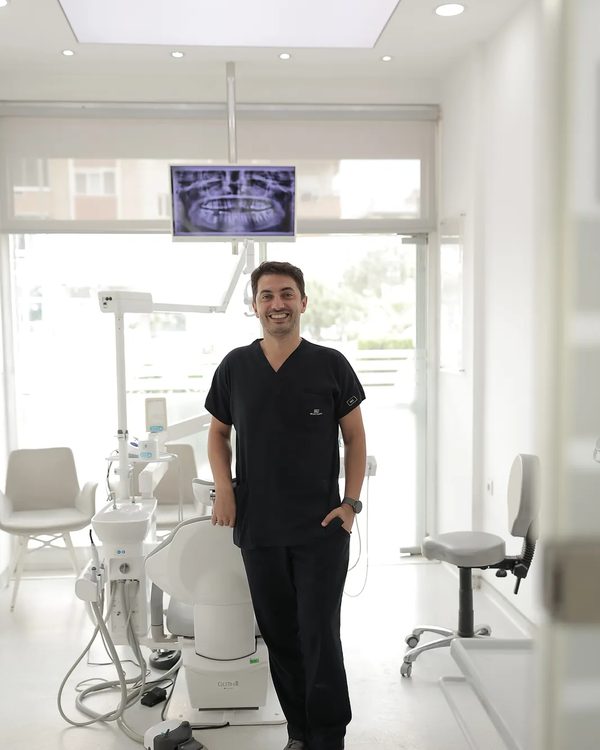
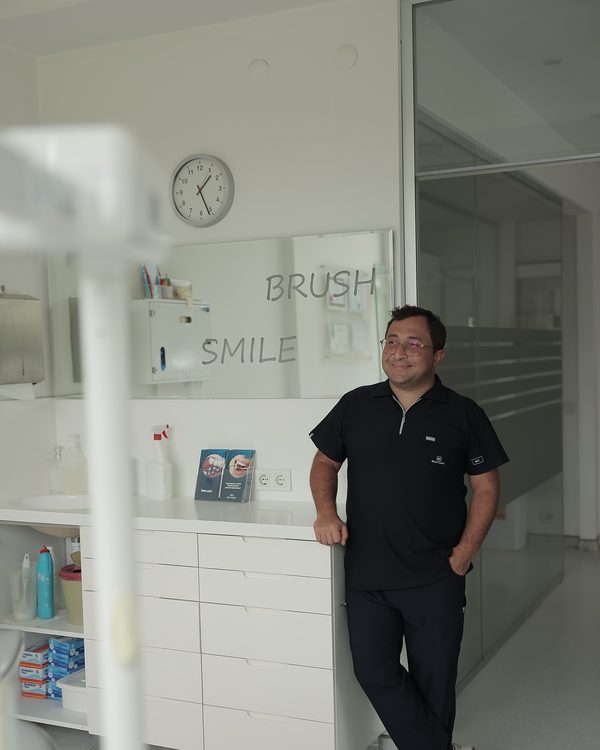


Let’s assess together at the examination whether your tooth can be saved
- Weekdays 10:00–19:00 · Saturday 10:00–18:00
- Şair Ömer Boulevard No:1, Efeler / Aydın
What affects the cost of root canal treatment?
The cost varies from tooth to tooth; it would not be right to give a figure without an examination and X-ray. After the examination, the scope of treatment is explained to you in detail. The main factors are:
Position of the toothFront tooth, premolar or molar; the number of canals varies by tooth
Number and shape of canalsCurved or narrowed canals can take longer
First treatment or retreatment?Retreatment usually takes more time
Number of visitsWhether it is completed in one visit or several
RestorationThe need for a permanent filling or crown
SedationWhether the procedure is done under sedation
Risks of root canal treatment and things to keep in mind
Root canal treatment is a common, well-established treatment, but like any treatment it has some limits.
Not healingIn a small number of cases the inflammation may not clear completely. Retreatment or root tip surgery is then considered.
Brittleness of the toothA root-filled tooth may become more brittle over time; a crown is recommended, especially for back teeth.
Temporary sensitivityThe tooth may be tender when chewing for a few days after treatment; this usually settles on its own.
Temporary fillingThe temporary filling placed between visits should be treated with care, and the permanent filling should not be delayed.
Coming to your first examination
At the first visit the tooth is examined and an X-ray is taken. It helps if you can tell us:
- Any recent dental X-rays you have
- When the pain started and what makes it worse
- A list of the medicines you take regularly
- Any previous treatment on that tooth
- Information about chronic conditions such as heart disease or diabetes
- Your questions; feel free to write them all down
What should you pay attention to after root canal treatment?
First day
- Do not eat until the anesthesia wears off
- Don’t chew hard foods on the treated side
- You can use the painkiller the dentist recommends
First week
- If you have a temporary filling, don’t put pressure on that side
- Don’t postpone the appointment for the permanent filling or crown
- Call the clinic if there is swelling or increasing pain
Long term
- Brush the tooth like your other teeth
- Use dental floss or an interdental brush
- Come for a check-up at least once a year
MC Multi Clinic, Efeler

Getting here and facilities
- AddressGirne Mah., Şair Ömer Boulevard No:1, Efeler / Aydın
- Opening hoursWeekdays 10:00–19:00, Saturday 10:00–18:00
- ParkingFree parking
- AccessWheelchair-accessible entrance
- PaymentCredit card and contactless payment
If you are in pain, it is a good idea to contact us first by phone or WhatsApp about a same-day examination.
Common questions about root canal treatment
Does root canal treatment hurt?
Because it is done under local anaesthesia, you usually feel no pain during the procedure. The tooth may be tender when chewing for a few days afterwards; this usually passes quickly.
How many visits does root canal treatment take?
In most cases 1–2 visits. Teeth with widespread inflammation or complex canals may need more.
How long does a root-filled tooth last?
With a suitable filling or crown and good care, the tooth can be used for many years. On back teeth, a crown helps prevent the tooth from breaking.
Do I need a crown after root canal treatment?
Not for every tooth. For back teeth that have lost a lot of structure and take chewing forces, a crown is usually recommended to prevent fracture.
Can I have the tooth extracted instead of root canal treatment?
The gap left by an extracted tooth needs to be filled; otherwise neighbouring teeth can drift. If the natural tooth can be kept, root canal treatment is usually considered first.
What is root canal retreatment?
If inflammation has not cleared or has returned in a tooth with a previous root canal treatment, the old root filling is removed and the canals are cleaned and filled again.
Can root canal treatment be done during pregnancy?
In urgent cases it can be done under suitable conditions. Always tell us you are pregnant before the examination; X-rays and medication are planned accordingly.
When can I eat after treatment?
You can eat once the anaesthetic has worn off. Until the permanent filling or crown is placed, avoid chewing hard food on that side.
My pain has gone. Do I still need treatment?
Pain going away can mean the nerve has died completely; the inflammation may continue silently. A check with an examination and X-ray is recommended.
How can I make an appointment?
To make an appointment you can call +90 256 212 46 46, message our WhatsApp line or fill in the appointment form on the website. The clinic is open weekdays 10:00–19:00 and Saturday 10:00–18:00.
Treating dentistSalih Danışman, DDSEndodontist · MC Multi ClinicLast updated: October 2026The information on this page is for general guidance and does not replace an examination.
You may also be interested in


MC Multi Clinic
Ein Team von Zahnärzten verschiedener Fachrichtungen, das in Efeler, Aydın, zusammenarbeitet.
Behandlungen
Unsere Zahnärzte
© 2026 Multi Clinic. Alle Rechte vorbehalten.
Web, SEO und GEO Serkan Yıldız
© Copyright 2026 Multi Clinic. Alle Rechte vorbehalten.
Software, Design und SEO Serkan Yıldız