
Our treatments · Jaw joint
Jaw Joint (TMJ) Disorder Treatment in Aydın
Assessing complaints in the jaw joint such as pain, clicking, limited mouth opening and locking at an examination, and treating them with a personal plan.
- Common complaintsPain, clicking, locking
- TreatmentA personal plan
- First stepExamination

- Prosthodontics and orthodonticsassessed together
- Custom splintif needed
- Open on Saturdays10:00–18:00
- Free parkingEfeler, Şair Ömer Boulevard
What’s on this page?
Jaw joint disorders in brief
The jaw joint (temporomandibular joint) connects the lower jaw to the skull and makes movements such as speaking, chewing and yawning possible. Problems in this joint and the muscles around it are called TMJ disorders.
Causes include clenching and grinding, bite problems, missing teeth and stress. At our clinic, jaw joint complaints are assessed jointly by Dr. Betül Hamitoğlu and our orthodontist, Dr. Şirin Yaylalı Altuntaş.
Which symptoms call for an examination?
Pain in the jaw and in front of the earPain that gets worse when chewing or in the morning.
Clicking and noisesClicking or crackling from the joint when opening and closing the mouth.
Limited mouth openingNot being able to open the mouth fully, or a catching feeling.
Head and neck painPain linked to tension in the jaw muscles.
Step by step
Examinationfirst appointment
Imagingif needed
Planat the examination
Treatmentdepends on the person
Follow-upregular check-ups
- Examinationfirst appointment
Joint movements, muscles, the bite and wear on the teeth are assessed.
- Imagingif needed
X-rays or a CT scan are requested if considered necessary.
- Planat the examination
Depending on the cause of the complaint, splint therapy, bite adjustment, orthodontics or replacing missing teeth is planned.
- Treatmentdepends on the person
The most common method is a splint made for your mouth. Other treatments are planned if needed.
- Follow-upregular check-ups
Changes in the complaints are monitored at check-ups.
Who is on your treatment team?
Jaw joint complaints are assessed jointly by two of our dentists.

Prosthodontics
Bite and prosthetic assessment, splint therapy.

Orthodontist
Orthodontic assessment and, if needed, braces or clear aligner treatment.
Inside the clinic
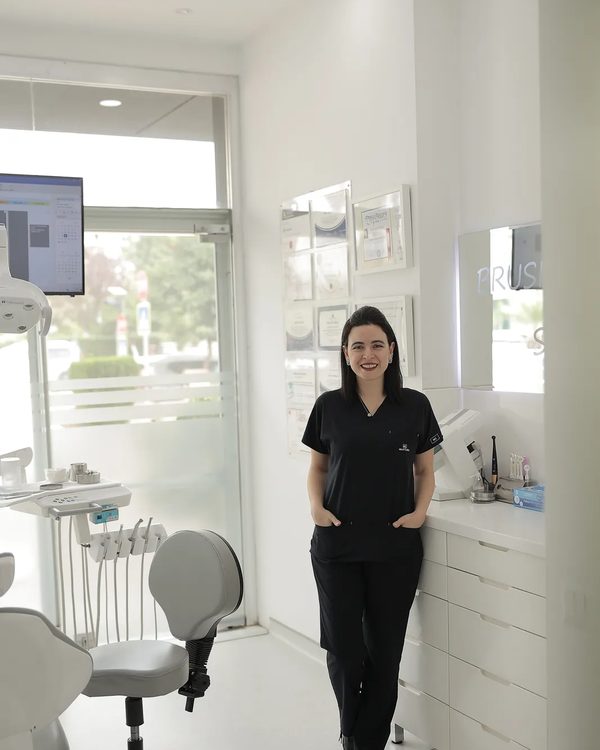


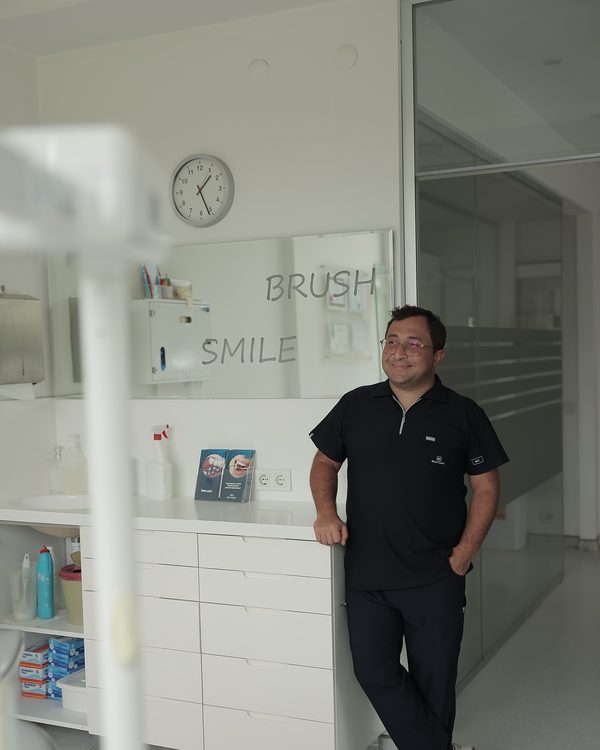
If you have pain or clicking in your jaw, let’s find the cause together at the examination
- Weekdays 10:00–19:00 · Saturday 10:00–18:00
- Şair Ömer Boulevard No:1, Efeler / Aydın
What to watch out for in daily life
Eating
- During painful periods, avoid hard foods and foods that need a lot of chewing
- Do not chew gum
- Do not take large bites
Habits
- During the day, try to notice whether you are clenching your teeth
- Do not open your mouth too wide when yawning
- Use your splint as advised
When to call?
- If your jaw locks
- If the pain does not ease within a few days
MC Multi Clinic, Efeler

Getting here and facilities
- AddressGirne Mah., Şair Ömer Boulevard No:1, Efeler / Aydın
- Opening hoursWeekdays 10:00–19:00, Saturday 10:00–18:00
- ParkingFree parking
- AccessWheelchair-accessible entrance
- PaymentCredit card and contactless payment
X-rays and CT scans (CBCT) are taken at the clinic if needed.
Common questions about the jaw joint
Is clicking in my jaw dangerous?
Painless clicking often needs no treatment. If there is pain, locking or limited mouth opening, an examination is recommended.
How are TMJ disorders treated?
Treatment is planned according to the cause. The most common method is a splint made for your mouth; if there is a bite problem, orthodontic or prosthetic treatment may be needed.
How long does splint therapy take?
It varies from person to person. The course of the complaints is assessed at check-ups.
Does clenching affect the jaw joint?
Yes. Long-term clenching and grinding can cause pain in the joint and muscles.
How can I make an appointment?
To make an appointment you can call +90 256 212 46 46, message our WhatsApp line or fill in the appointment form on the website. The clinic is open weekdays 10:00–19:00 and Saturday 10:00–18:00.
Treating dentistDr. Betül HamitoğluProsthodontics · MC Multi ClinicLast updated: October 2026The information on this page is for general guidance and does not replace an examination.
You may also be interested in


MC Multi Clinic
Ein Team von Zahnärzten verschiedener Fachrichtungen, das in Efeler, Aydın, zusammenarbeitet.
Behandlungen
Unsere Zahnärzte
© 2026 Multi Clinic. Alle Rechte vorbehalten.
Web, SEO und GEO Serkan Yıldız
© Copyright 2026 Multi Clinic. Alle Rechte vorbehalten.
Software, Design und SEO Serkan Yıldız