
Our treatments · Orthodontics and clear aligners
Orthodontic Treatment in Aydın
Moving crowded, gapped or misaligned teeth into the right position with braces or clear aligners. Suitable for both children and adults.
- Total timeUsually 12–24 months
- OptionsBraces or clear aligners
- First stepExamination and records

- Orthodontistplans your treatment
- Children and adultsassessment at any age
- Open on Saturdays10:00–18:00
- Free parkingEfeler, Şair Ömer Boulevard
What’s on this page?
Orthodontics in brief
Orthodontics is the treatment that corrects the position of the teeth and jaws in relation to each other. Braces or clear aligners apply a gentle, continuous force to the teeth, so they move slowly over a period of months. Treatment usually takes 12–24 months; the duration depends on the type of problem and how well the patient follows the instructions. When treatment is finished, a retainer is used to keep the teeth in their new position.
At MC Multi Clinic, orthodontic treatment is planned by orthodontist Dr. Şirin Yaylalı Altuntaş.
What problems does orthodontics correct?
Orthodontics is not only about appearance. Teeth that do not bite together properly can make chewing difficult and create hard-to-clean areas that lead to decay and gum problems. The most common situations are:
Crowding
Teeth that do not fit and overlap. It makes cleaning harder and is the most common orthodontic problem.
Gaps between teeth
Spaces left between the teeth. It can be caused by missing teeth or a mismatch between jaw and tooth size.
Deep bite and open bite
The upper teeth covering the lower ones too much, or the front teeth not meeting at all.
Crossbite
Some of the upper teeth sitting inside the lower teeth. It is important to notice this early in children.
Protruding teeth
The upper front teeth sticking out noticeably. This also increases the risk of breaking them in an accident.
Jaw discrepancies
The upper or lower jaw being too far forward or back in relation to the other. In growing children it can be guided with different methods.
Orthodontic treatment options
Which method is suitable is decided together at the examination, based on the type of problem, age and the patient’s expectations.
Metal braces
Small metal brackets bonded to the teeth and a wire connecting them. A common method that can be used in all types of cases.
Details →Ceramic braces
Tooth-colored brackets. They work the same way as metal braces and are less noticeable in the mouth.
Details →Clear aligners
Custom-made clear trays that are changed at set intervals. They are taken out for eating and brushing.
Details →Removable appliances
Mostly used in growing children to guide jaw development or create space.
Braces or clear aligners?
All three methods move the teeth; the differences show up in daily use. Not every method suits every case, and the decision is made at the examination.
Metal braces
- !Clearly visible
- ✓Suitable for almost every case
- ✓Not removable, so less dependent on the patient
- !Care with hard and sticky foods
- !Brackets are cleaned with a special brush
Ceramic braces
- ✓Less noticeable
- ✓Suitable for almost every case
- ✓Not removable, so less dependent on the patient
- !Care with hard and sticky foods
- !Brackets are cleaned with a special brush
Clear aligners
- ✓Noticeable up close
- !Suitable for most mild and moderate cases
- ✕Teeth do not move unless worn 20–22 hours a day
- ✓Taken out before meals
- !Aligners and teeth are cleaned every day
In complex cases braces can give more predictable results; for patients who want clear aligners, suitability is assessed with detailed records and planning.
Orthodontic treatment step by step
ExaminationDay 1
Records1 session
Treatment plan1–2 weeks
Appliance fitted1 session
Regular check-upsevery 4–8 weeks
Retentionafter treatment
- ExaminationDay 1
The teeth, bite and jaw relationship are assessed. Your concerns and expectations are discussed.
- Records1 session
Panoramic and cephalometric X-rays, intraoral and facial photos, and impressions or a digital scan with an intraoral scanner are taken.
- Treatment plan1–2 weeks
The records are reviewed; the suitable method, estimated duration and treatment steps are discussed with the patient.
- Fitting the appliance1 session
The brackets are bonded to the teeth or the first clear aligners are handed over. Use and cleaning are explained.
- Regular check-upsevery 4–8 weeks
The wires are adjusted or you move on to new aligners; the movement of the teeth is monitored.
- Retentionafter treatment
After the brackets are removed, a fixed wire or clear retainer is used to keep the teeth in place.
At what age is orthodontic treatment done?
In children
- Around age 7 is a good time for the first orthodontic check-up
- Jaw development can be guided during growth
- If a baby tooth is lost early, the space can be kept with a space maintainer
- Not every child needs early treatment; sometimes monitoring is enough
In adults
- There is no upper age limit as long as the gums and bone are healthy
- Gum disease and decay are treated first
- Teeth can be repositioned before crowns, bridges or implants
- Severe jaw discrepancies may need planning together with surgery
Who is on your treatment team?
Orthodontics is a long-term treatment; staying with the same dentist from the examination to the retention phase makes follow-up easier. For child patients we work together with our pediatric dentist.
 MC Multi Clinic team · Efeler, Aydın

Orthodontist · founding dentist
Orthodontic examinations, treatment planning, braces and clear aligner treatment.

Pediatric dentist
Monitoring baby and permanent teeth in children, space maintainers and preparation for orthodontics.

Periodontist
Monitoring gum health before and during treatment in adult patients.
Inside the clinic

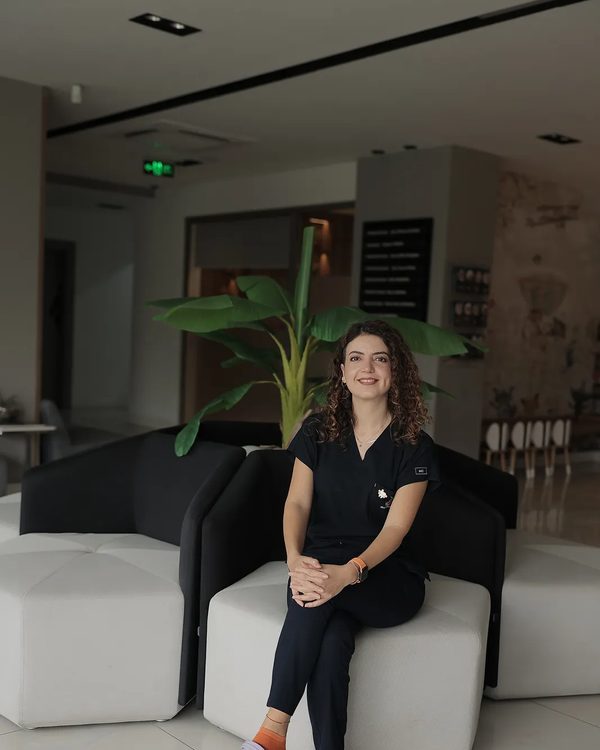


Let’s talk about which method suits your teeth at the examination
- Weekdays 10:00–19:00 · Saturday 10:00–18:00
- Şair Ömer Boulevard No:1, Efeler / Aydın
What affects the cost of orthodontic treatment?
The cost varies from person to person; it would not be right to give an exact figure before the examination and records. The scope and cost are explained to you in detail together with the treatment plan. The main factors are:
MethodMetal braces, ceramic braces or clear aligners
Complexity of the caseThe degree of crowding and bite problems
Treatment timeNumber of check-ups and estimated duration
RetentionThe fixed wire or retainer used after treatment
Preliminary treatmentFillings, gum treatment or any necessary extractions
One or both jawsWhether the treatment covers one jaw or both
Things to watch out for during treatment
Orthodontics is a safe and common treatment; a lasting, healthy result depends largely on daily care and check-ups.
Decay and stainsPlaque building up around the brackets can lead to decay and white spots if cleaning slips. A special orthodontic toothbrush and interdental brushes are recommended.
Gum inflammationBleeding and swelling of the gums can occur in hard-to-clean areas. It is prevented with regular cleaning and check-ups.
RelapseIf the retainer is not used as recommended, the teeth can gradually move back towards their old position.
Root shorteningRarely, the roots of the teeth may shorten. That is why X-ray monitoring is done during treatment when needed.
Coming to your first examination
At the first visit the teeth and bite are assessed and, if suitable, an appointment is made for records. Bringing the following makes the assessment easier:
- Any recent dental X-rays you have
- Information about any previous orthodontic treatment
- A list of the medicines you take regularly
- For children: early loss of baby teeth and habits (thumb sucking, mouth breathing)
- A note if you clench your teeth or have jaw joint pain
- Your questions; feel free to write them all down
Care and daily life
First days
- The teeth may feel tender for a few days
- Soft foods may be preferred
- Orthodontic wax can be used if the brackets rub against the cheek
Throughout treatment
- Brushing after every meal
- Using interdental brushes or a water flosser
- Avoiding hard, sticky and very sugary foods
- Wearing aligners 20–22 hours a day
When treatment is finished
- Using the retainer as recommended
- Not missing check-up appointments
- A dental check-up twice a year
MC Multi Clinic, Efeler

Getting here and facilities
- AddressGirne Mah., Şair Ömer Boulevard No:1, Efeler / Aydın
- Opening hoursWeekdays 10:00–19:00, Saturday 10:00–18:00
- ParkingFree parking
- AccessWheelchair-accessible entrance
- PaymentCredit card and contactless payment
Because orthodontics requires regular check-ups, appointments can be planned around school and work hours.
Common questions about orthodontics
How long does orthodontic treatment take?
In most cases it takes 12–24 months. It may be shorter for mild crowding and longer for cases with jaw discrepancies. Coming to check-ups regularly and wearing clear aligners for the recommended time directly affect the duration.
Do braces hurt?
You usually do not feel pain when the brackets are fitted. For a few days after fitting and after wire adjustments, the teeth may feel tender and under pressure; this usually passes on its own.
Can clear aligners be used for everyone?
They can be used in most mild and moderate cases. Braces may be more suitable for complex bite problems. Suitability is decided by an examination and detailed records.
How many hours a day should clear aligners be worn?
Usually 20–22 hours a day. They are only taken out for eating and brushing. If the aligners are not worn for the recommended time, the teeth do not move as planned.
Can adults have orthodontic treatment?
Yes. There is no upper age limit for orthodontics as long as the gums and bone are healthy. Gum treatment is done first if needed.
When should I take my child to an orthodontist?
Around age 7 is a good time for the first orthodontic check-up. At this age jaw development and the eruption pattern of the teeth are assessed; not every child needs early treatment, and sometimes only monitoring is recommended.
What can’t I eat during treatment?
With braces it is best to avoid hard (nuts, ice), sticky (caramel, chewing gum) and very sugary foods. With clear aligners there are fewer restrictions because the aligners are taken out before eating, but the teeth should be brushed before putting them back in.
How often do I need to come for check-ups?
Usually every 4–8 weeks. At check-ups the wires are adjusted or you move on to new aligners, and the movement of the teeth is monitored.
Do the teeth move back after treatment?
Teeth tend to move back towards their old position after treatment. To prevent this, a retainer (a fixed wire or clear retainer) is used. Using it as recommended is important to keep the result.
Do teeth need to be extracted for orthodontics?
Not in every case. When there is severe lack of space, extracting some teeth may be planned. This decision is made together with the patient after the X-rays and records have been reviewed.
Can I play sports or a musical instrument with braces?
Yes. A mouthguard is recommended for contact sports. There may be an adjustment period with wind instruments; clear aligners can be taken out while playing.
How can I make an appointment?
To make an appointment you can call +90 256 212 46 46, message our WhatsApp line or fill in the appointment form on the website. The clinic is open weekdays 10:00–19:00 and Saturday 10:00–18:00.
Treating dentistDr. Şirin Yaylalı AltuntaşOrthodontist · MC Multi ClinicLast updated: October 2026The information on this page is for general guidance and does not replace an examination.
You may also be interested in


MC Multi Clinic
Ein Team von Zahnärzten verschiedener Fachrichtungen, das in Efeler, Aydın, zusammenarbeitet.
Behandlungen
Unsere Zahnärzte
© 2026 Multi Clinic. Alle Rechte vorbehalten.
Web, SEO und GEO Serkan Yıldız
© Copyright 2026 Multi Clinic. Alle Rechte vorbehalten.
Software, Design und SEO Serkan Yıldız